
A big park with a big future for nature and people
Belmont Regional Park is changing. As grazing is reduced over time and restoration expands across the park, there is a unique opportunity to shape how this vast landscape works for nature and people.
Belmont Regional Park is one of the largest and most important public reserves in the Wellington region. It connects communities from Porirua to the Hutt Valley, protects headwater streams that flow to our harbours, and provides space for walking, riding, nature connection and wellbeing.
Over time, parts of the park have been shaped by deforestation, farming and infrastructure development. We are now taking a long‑term, deliberate approach to restore and improve Belmont Regional Park so it can better serve nature, people, and future generations.
Through master planning, the community can help shape the future of the park at key stages.
Visit Have Your Say to find out more about the Belmont Regional Park masterplan and opportunities for public input.
The future for Belmont Regional Park
The direction for Belmont Regional Park is to restore ecosystems for the benefit of nature and people, while creating safe, enjoyable and inclusive spaces for recreation experiences. This will be explored through master planning, which will help identify how the park could be restored, accessed and experienced over time. Community input will help shape the draft masterplan before it is released for public feedback.
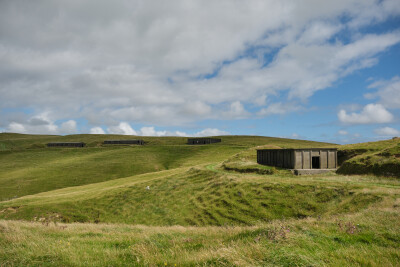 This means:
- More native forest, wetlands and healthier waterways
- Better connected, easier‑to‑use trails and entrances
- Strong partnerships with mana whenua
- Active involvement from community and volunteer groups
- A park that supports climate resilience, growing biodiversity, and wellbeing.
This is guided by Toitū Te Whenua – Parks Network Plan 2020–2030, which sets the long-term direction for all regional parks across the Wellington region.
Why long-term planning is needed
We know that Belmont Regional Park is highly valued for its natural environment and want to see it preserved and restored.
At the same time, change is needed as the park faces increasing pressure from erosion, sediment in waterways, declining biodiversity, more extreme weather, and growing demand for safe, accessible outdoor recreation.
Belmont was a well-used route for Māori iwi and hapū, and later European settlers, travelling between Te Awa Kairangi, Porirua and Pāuatahanui, before farming became the dominant land use from the 1850s. While this met earlier land use needs, decades of grazing have had impacts on steep land and sensitive catchments.
Greater Wellington's plan for all regional parks, Toitū Te Whenua Parks Network Plan 2020-2030, identifies Belmont Regional Park as a priority park for master planning due to the scale of future change proposed across the park, including restoration, recreation, access improvements, and long-term land use changes.
What's happening on the ground
Work to improve Belmont Regional Park is already well underway. Across the park, actions set out in Toitū Te Whenua are being delivered, from restoring natural areas to improving access and sharing the park’s stories.
Restoring the natural environment
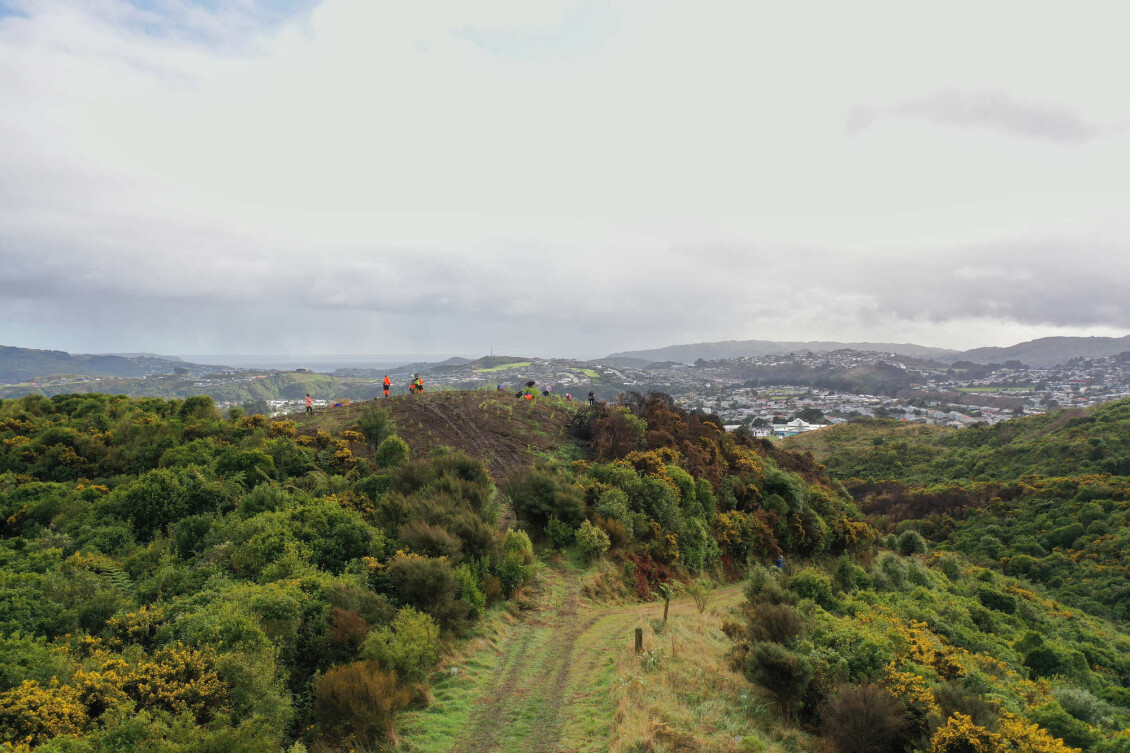
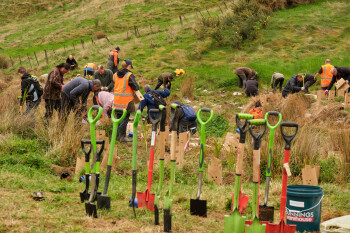 With commercial grazing being reduced in the park, restoring this land is a focus. Much of this work is delivered through Greater Wellington’s restoration programme - Recloaking Papatūānuku, supporting the return of healthy ecosystems through restoration planting, pest plant and pest animal control, and natural regeneration.
In some areas where grazing has already ended, natural regeneration is underway, supported by targeted planting and ongoing pest control. Mature bush in places like Korokoro Valley and the Pareraho Forest provides a strong seed source, helping native vegetation expand and improving habitat and water quality over time.
Restoration is also progressing alongside the Transmission Gully corridor, with native planting established along the route
In other areas, work is focused on prioritising wetlands, bush fragments and catchments where restoration can have the greatest impact on waterways. Restoring native vegetation strengthens resilience to climate extremes by reducing erosion and sediment runoff and helps manage fire risk over time through lower-flammability planting and maintained access tracks and fire breaks. Read more about Recloaking Papatūānuku here.
Enhancing recreation experiences
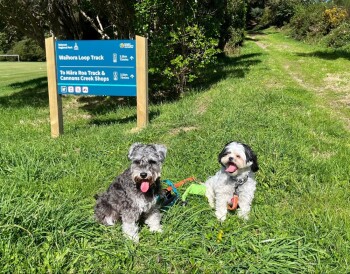 Belmont Regional Park is a recreation reserve supporting a wide range of activities including walking, running, mountain biking, and horse riding. Improving access and enjoyment is a priority.
Changes include improving access to the park through the entrance at Waihora Crescent and Cannons Creek in East Porirua, improving access to the western area of Belmont Regional Park for walking and mountain biking. Now that grazing has ended in the area west of Transmission Gully, this part of the park is dedicated to recreation and forest regeneration and is fully open for public use, including off lead dog walking!
Wayfinding signage improvements are being rolled out across the park, and the east–west trail connection under the Transmission Gully motorway is now open, reconnecting Porirua and the Hutt Valley through the park.
Recognising cultural heritage and stories
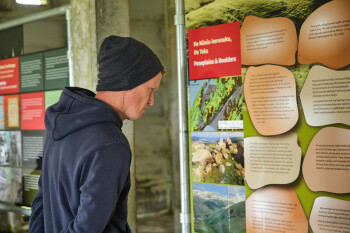 Belmont Regional Park holds rich cultural history, including pre-European Māori trails through thick forests and over hills, early European settler infrastructure and twentieth century heritage such as the WWII ammunition bunkers.
A heritage storytelling trail near the top of Hill Road is now in place, inviting public exploration through several of the restored munitions bunkers (Explosive store houses ESH).
Developed alongside historians and defence experts, the trail shares military history and cultural connection, highlighting the vital role Belmont and local servicemen played here in WWII.
How this work is being delivered
Working in partnership
Improving Belmont Regional Park relies on partnership and collaboration.
Greater Wellington works alongside mana whenua, community and conservation groups, recreation clubs, volunteers, local councils and neighbouring communities.
Across the park, groups and individuals are already contributing to restoration planting, pest control and track improvement, including in areas near Stratton Street, along the Transmission Gully corridor, and within bush catchments such as Cannons Creek, Korokoro and Pareraho.
Restoration and recreation master planning is being developed together so that access, facilities and ecological outcomes support one another.
Phased and long term
This is not a short-term project. Some changes, such as opening new entrances or improving trail connections, can happen relatively quickly. Others, like forest regeneration and wetland recovery, unfold over many years. The focus is on making decisions now that support lasting benefits for the park, its ecosystems and the communities who use it.
Bringing it together through master planning
Toitū Te Whenua sets the direction for all regional parks. Master planning is different – it is spatial planning that turns that direction into an on-the-ground plan, showing where specific improvements will go and how different uses fit together across the park (for example, entry areas, trails, destinations and restoration zones).
A draft master plan for Belmont Regional Park is being developed in 2026, alongside mana whenua partners. There will be opportunities for the public and park users to share ideas and provide feedback on the draft plan.
How to stay informed and get involved
The first phase of master planning engagement closed on 1 July 2026. The next opportunity for public feedback will be consultation on the draft masterplan, expected in late 2026 to early 2027. Follow master planning updates and future opportunities to have your say.
Get your hands dirty! Volunteers play a vital role in caring for Belmont Regional Park and are always welcome. Find a volunteer group here.
Follow us on social media or sign up to our community newsletter to stay in the loop.
Get in touch
- Phone:
- 0800 496 734
- Email:
- info@gw.govt.nz