Greater Wellington has filed charges against Tiaki Wai and Wellington City Council following its investigation into alleged unlawful wastewater discharges from the Moa Point Wastewater Treatment Plant. The charges relate to…

Greater Wellington says recent significant weather events have highlighted the vulnerability of land and infrastructure in South Wairarapa and reinforces the need to review how flood risks are managed in the area.
Greater Wellington Deputy Chair Ros Connelly said the council's immediate focus is supporting affected communities and restoring access.
“Greater Wellington is concerned for the welfare of communities isolated by damage to the Tūranganui River Bridge. We are working closely with South Wairarapa District Council and other partners as part of the flood recovery response, including supporting work to repair the bridge.
“At the same time, we know communities want answers about what these weather events mean for the future, and we are committed to working openly with them as we assess longer-term solutions,” says Cr Connelly.
Greater Wellington is responsible for providing flood protection services in the area and a comprehensive review of flood protection in the lower Wairarapa Valley is underway with public engagement to be kicked-off soon.
Last year, Greater Wellington initiated a review of the flood protection provided in South Wairarapa in light of expiring consents, climate change, mana whenua obligations, farmer concerns and environmental concerns. As part of this work, flood hazard modelling is being produced alongside analysis of environmental impacts.
A progress report on this work will be presented to Greater Wellington’s next Environment and Climate Committee on 20 August 2026.
Chair of Greater Wellington's Environment and Climate Committee, Cr Quentin Duthie, says the events have reinforced the need for a collaborative and long-term approach to flood protection.
“We will be talking with the wider community about what the analysis shows, what needs to be done to improve current operations and maintenance, and what needs to change to manage flood hazard in the longer term.
“There is obviously work to do around the Tūranganui road bridge. It is a lifeline connection for communities to the south and along the coast.
“Potential options could include changes to the bridge design, improvements to road approaches and potentially changes to the river channel itself. These options need to be explored alongside South Wairarapa District Council, mana whenua and the local community,” says Cr Duthie.
The current Lower Wairarapa Valley Development Scheme is more than 50 years old and includes floodways, barrage gates, river management and land drainage infrastructure for the Tūranganui River, lower Ruāmahanga River, Lake Wairarapa, Lake Onoke and associated tributaries.
Gravel extraction remains one of several tools available to manage flood risk. Gravel is removed from upstream of the Tūranganui road bridge regularly, with around 3,000 cubic metres extracted each year on average. This work is mainly undertaken to provide material for stopbank repairs. Some adjacent landowners also hold licences to extract gravel, although the volumes involved are relatively small.
Greater Wellington's Catchment Manager for Ruamāhanga, Pete Huggins, said gravel accumulation can exacerbate flooding, but recent weather events mean the current scheme is desperately showing its age.
“Over the weekend we saw approximately 400mm of rain fall in the headwaters over a 72-hour period. That is an extremely significant rainfall event and likely exceeded the level of protection provided by the scheme. Bridge design also needs to be considered as a contributing factor. A small, low bridge like the Tūranganui can act like a dam and constrain river flows, even when the channel is maintained.
“Greater Wellington recently started planning for gravel extraction and stockpiling in conjunction with South Wairarapa District Council and local landowners. Commercial gravel extraction for purposes such as roading has not generally been economic in this part of the region, meaning that the costs of extraction will likely need to be paid for through rates. As with all infrastructure investment and operational work, councils face competing priorities and funding decisions ultimately need to be supported by ratepayers.” adds Pete Huggins.
Greater Wellington continues to work with a range of communities affected by weather events across the districts of South Wairarapa, Masterton and Carterton.
Greater Wellington has filed charges against Tiaki Wai and Wellington City Council following its investigation into alleged unlawful wastewater discharges from the Moa Point Wastewater Treatment Plant. The charges relate to…
Following an independent investigation, Greater Wellington has filed charges in the District Court in Wellington relating to multiple non-compliance events at Moa Point Wastewater Treatment Plant (WWTP). The series of…
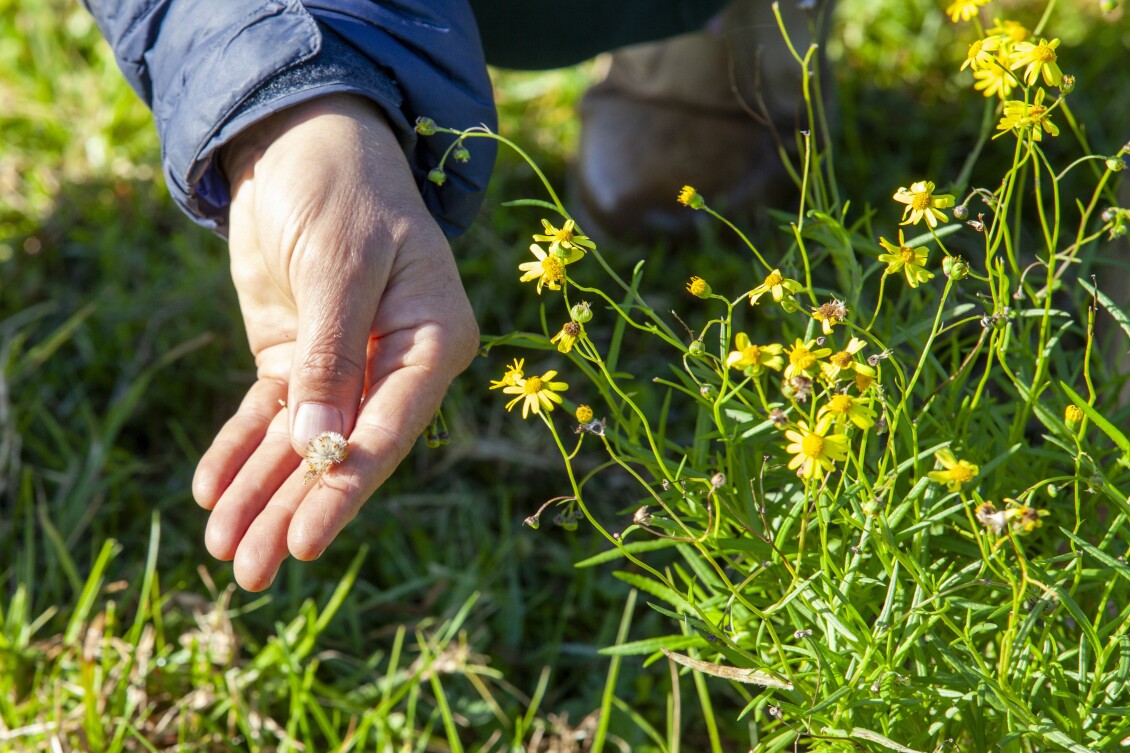
Madagascar ragwort, an invasive and highly toxic pasture weed, has been identified in south Wairarapa near Ngawi, prompting Greater Wellington to urge farmers, landowners and rural communities across Wairarapa and…