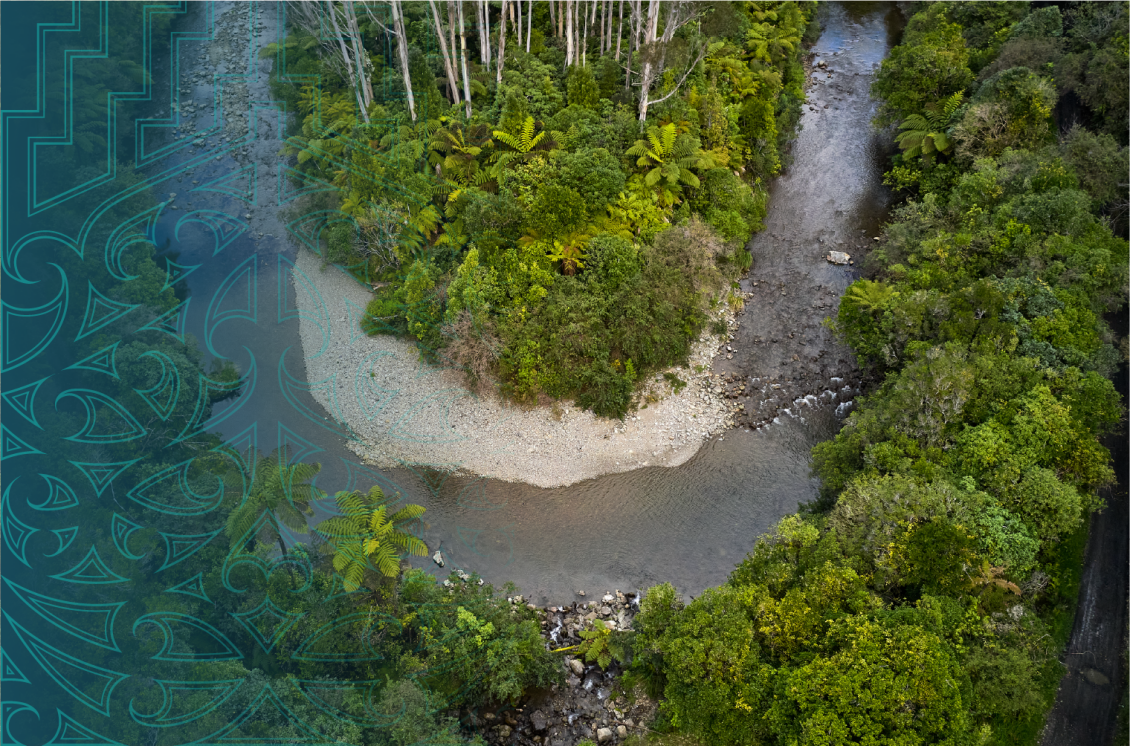
Greater Wellington Chair Daran Ponter says the Government's decision not to progress any Head Start proposals ahead of the General Election is a disappointing retreat from much-needed local government reform. “The…

Greater Wellington Chair Daran Ponter says the Government's decision not to progress any Head Start proposals ahead of the General Election is a disappointing retreat from much-needed local government reform. “The…
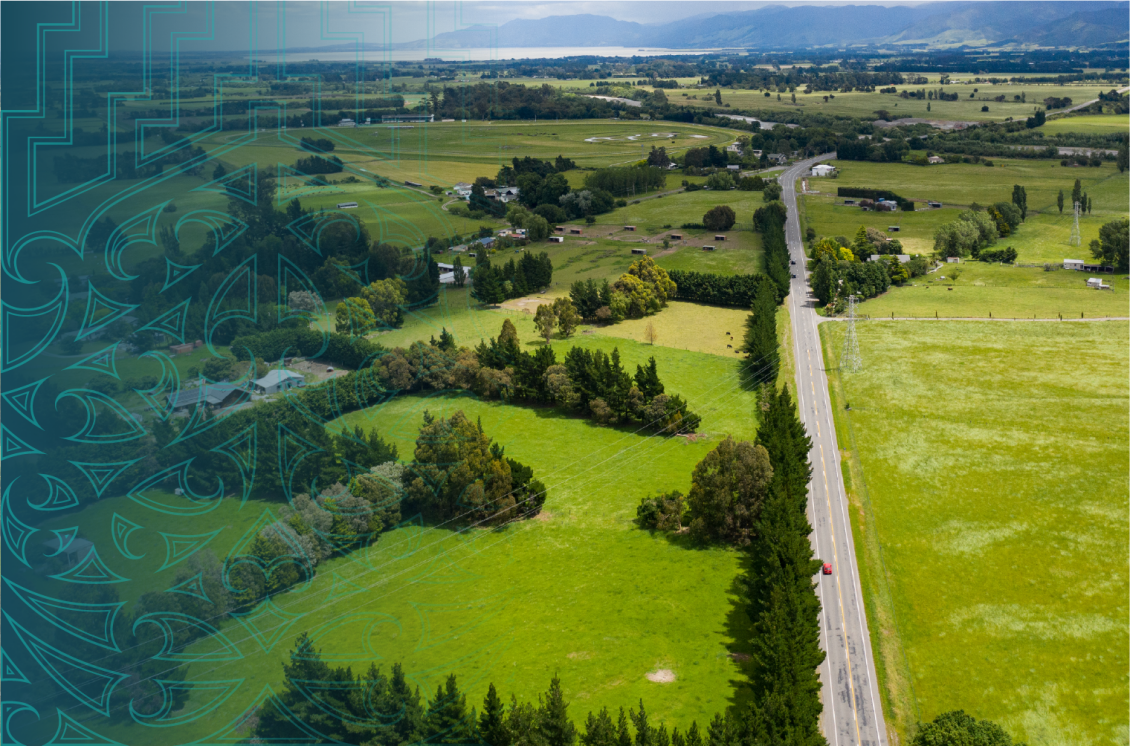
Greater Wellington's Public Transport Committee has endorsed a Harbour Quays business case, marking a significant milestone towards creating a second public transport corridor through central Wellington to ease pressure on…
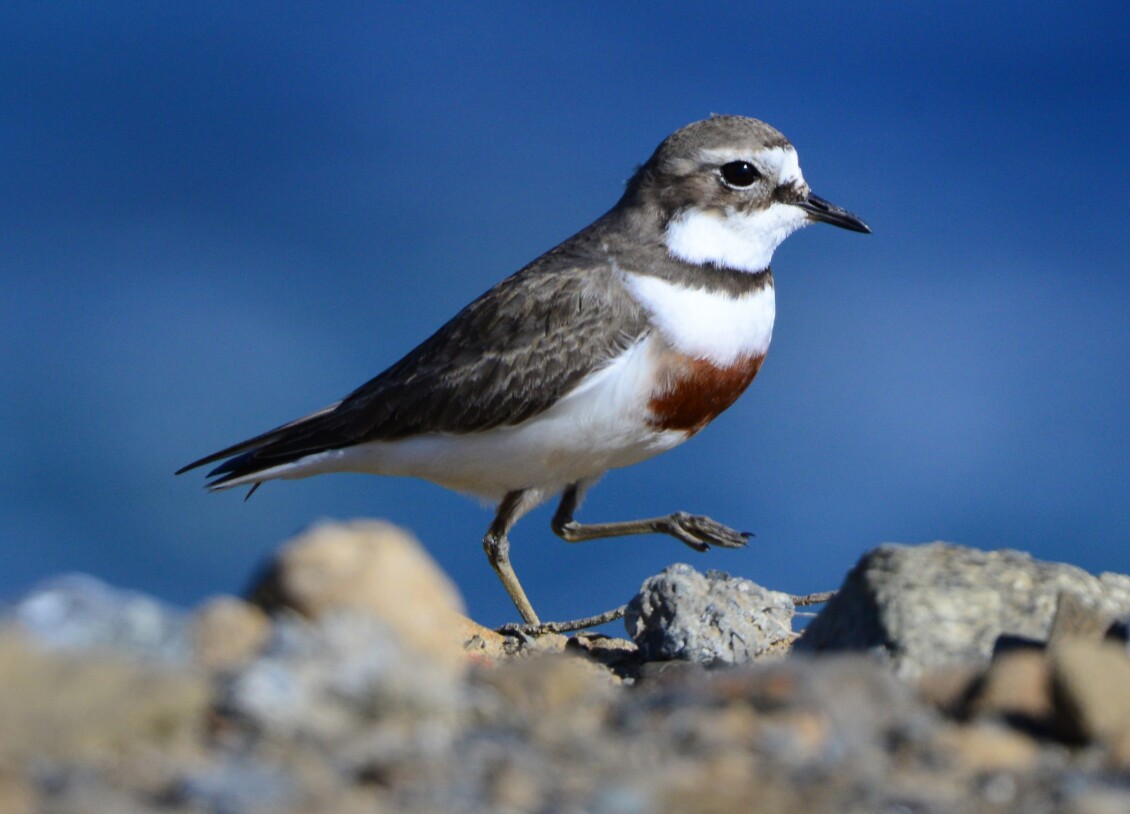
Greater Wellington is throwing its support behind the banded dotterel (pohowera) in this year's Bird of the Year competition, championing one of the Wellington Region's most charismatic, hardworking, and endangered…
1111 Results

Staff from across Greater Wellington geared up to take part in an oil spill response exercise at Island Bay. Staff from across Greater Wellington Regional Council geared up to practise protecting…

(From left) Evan Harrison, Alton and Bryn Hickson-Rowden carrying on his back an electric fishing machine. Greater Wellington Regional Council takes a look at the health of our region's rivers and…
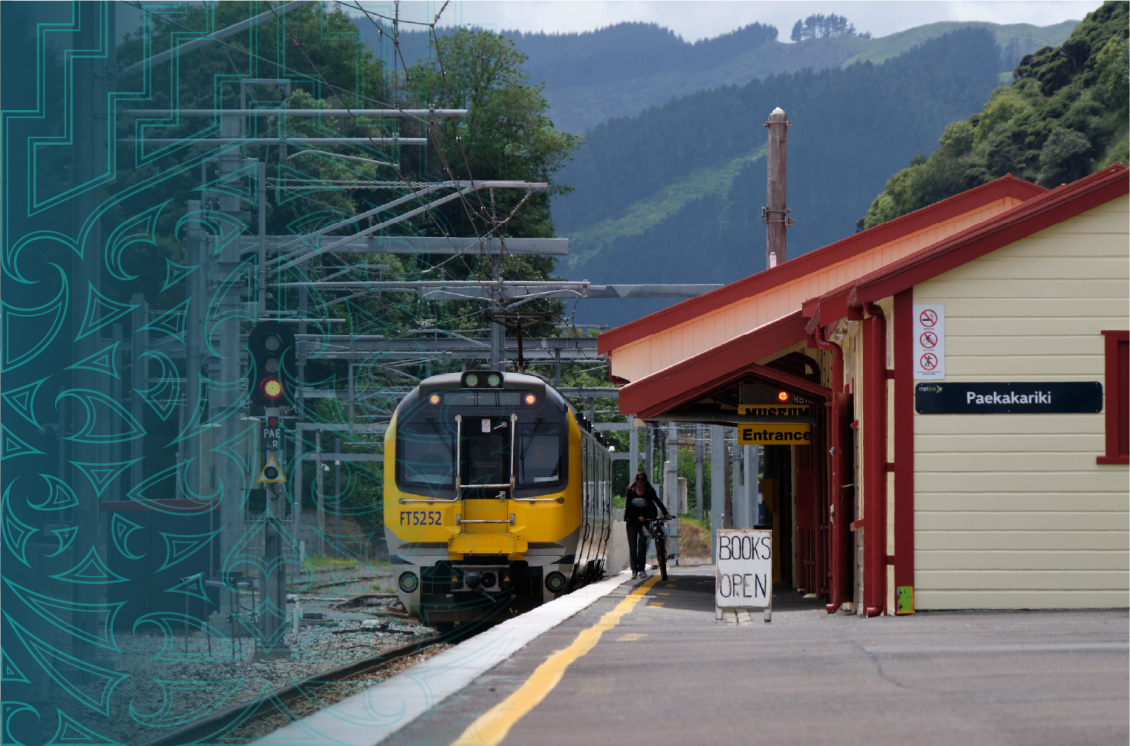
Biodiversity lovers across the region gathered at a Wellington Freshwater Hui on Friday to discuss freshwater and fish monitoring with the aim of improving our regions environment. The Hui titled "Te…
If fast-growing and vibrant greater Wellington is your home, then now is your opportunity to make a positive difference to its future. Nominations will soon open for local authority elections, which…

St Claudine Thevenet School students Georgia O'Grady (left) and Canon Hakaraia with Greater Wellington Travel Choice Coordinator Kirsty Barr St Claudine Thevenet School scooped up a prize for the highest participation…
Belmont Regional Park farm licence holders Dion and Ali Kilmister are striving to reduce the urban-rural gap, and what better place for that than a farm that is run inside…
(From left): Lara Franklin, Hayden Smith, Justin Prout, Jonathan Tulitt, Lewis Otto, Sundeep Pinto, William Delaney A childhood dream has come true for one Wellingtonian who was officially signed off as Transdev's newest…
Lucky winners of $300 Avanti prizes drawn by selected by Greater Wellingtons Sustainable Transport Committee Chair Barbara Donaldson (left) and Travel Choice Coordinator Kirsty Barr Names have been drawn and winners…
Greater Wellington Regional Council calls on locals to help fight climate change by planting more trees. Akura Plant Nursery based in the Wairarapa has been trialling, growing and supplying tree species…