
Event details
Step into history and explore Belmont’s WWII munitions bunkers at Belmont Regional Park.
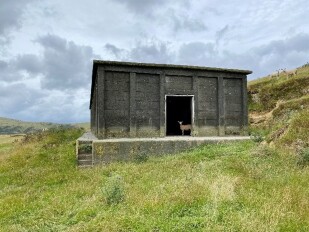 Join us for a unique opportunity to explore Aotearoa New Zealand’s WWII history at Belmont Regional Park.
Built in 1943, the Belmont Munitions Depot was once the country’s largest ammunition storage site, chosen for its strategic location near shipping routes and Trentham Military Camp, and its safe distance from populated areas. The depot originally held 62 magazines storing anti-aircraft shells, mortar rounds, grenades, and other munitions—including 1,500 tonnes of mustard gas, believed to be the largest store of chemical weapons in New Zealand.
This self-led, easy 2.5 km circuit walk follows the well-known Magazine Mile, winding through open farmland with expansive park views. Along the route, historians will be on-site to share stories and insights into Belmont’s vital role in supporting New Zealand and U.S. troops in the Pacific during World War II.
Walk at your own pace as you explore historic bunkers, uncover wartime secrets, and discover how this quiet landscape helped shape the Pacific war effort.
Time: 10.00am – 1.00pm
Meeting point: Belmont Regional Park, Hill Road entrance
Please note this event is limited to 60 car parks and is now fully booked.
Get the whānau involved in Summer Events
Discover the incredible places right on your doorstep. For 25 years, Greater Wellington has been hosting recreational events in regional parks to help people connect with nature, get active outdoors, and enjoy time together.
Belmont Regional Park is not only rich in history—it’s an important site for conservation. Greater Wellington’s work here protects freshwater sources, restores native ecosystems, preserves historic places like the munitions depot, and helps build resilience to climate change. Our partners and volunteers play an essential role in caring for this special landscape.