

What we do to make our region a great place to live, work and play

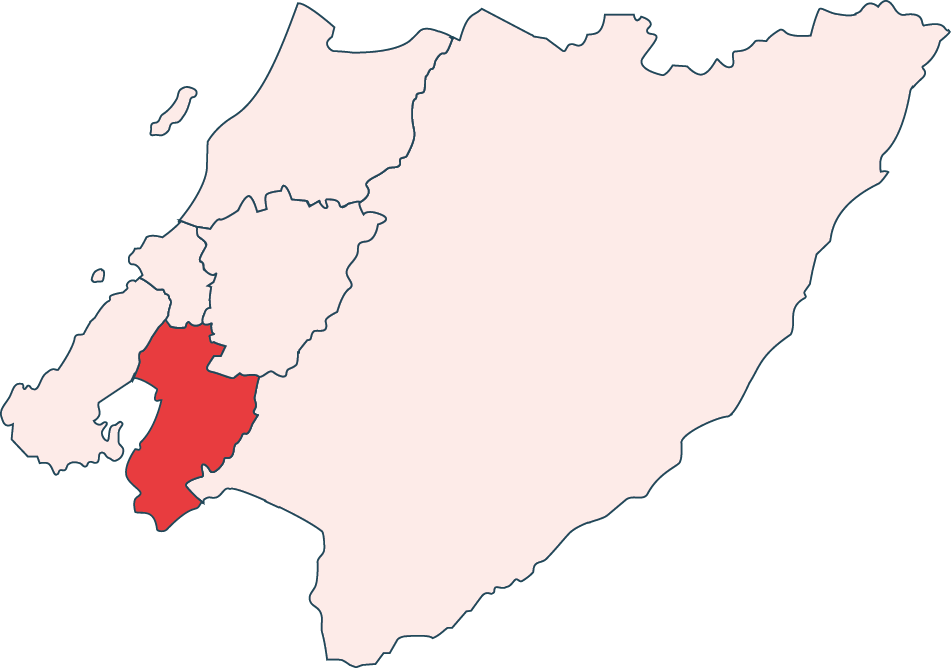
Ko ā mātou mahi mō Te Awa Kairangi ki Tai me tō tātou rohe hei te 2025/26 | What we have planned for Lower Hutt and our region in 2026/27
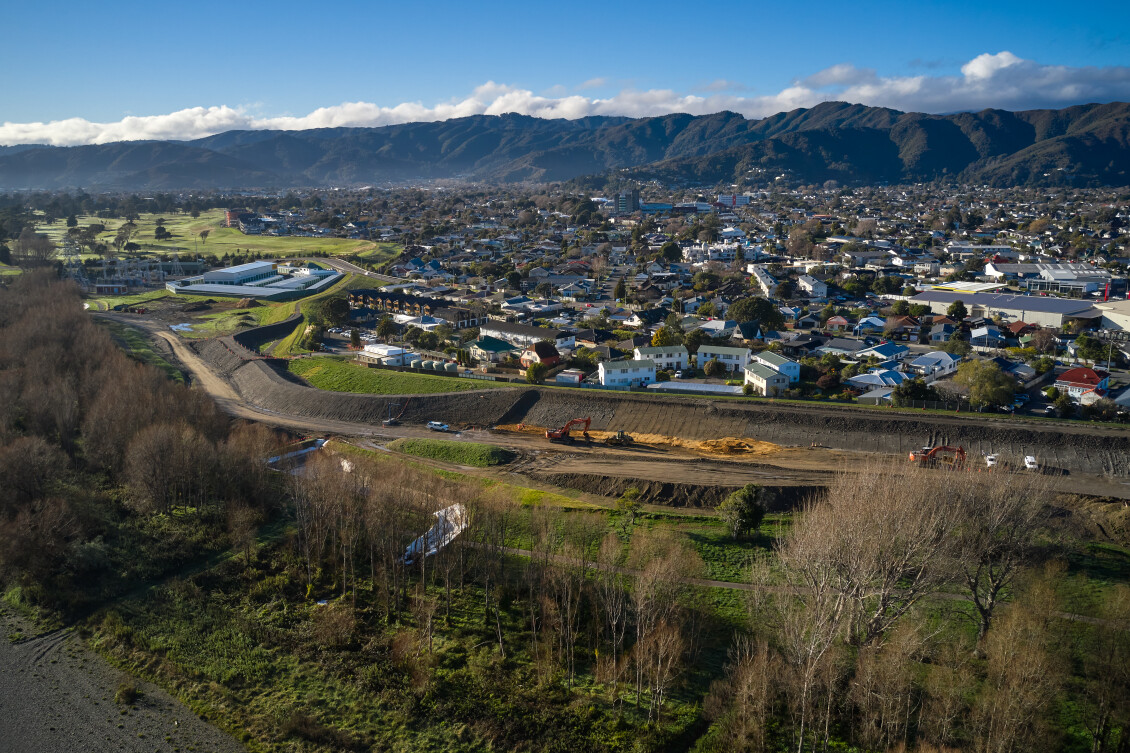
- Continuing work on Te Wai Takamori o Te Awa Kairangi (formally RiverLink) flood protection and public transport activities.
- Undertake flood hazard modelling for the Wainuiomata River to better understand the flood risk.
- Work with the Waiwhetū community to look at options for managing the flood risk.
- Continuing planning for Waterloo Station redevelopment.
- Supporting integrated transport planning across Lower Hutt, including rail, bus and active transport connections.
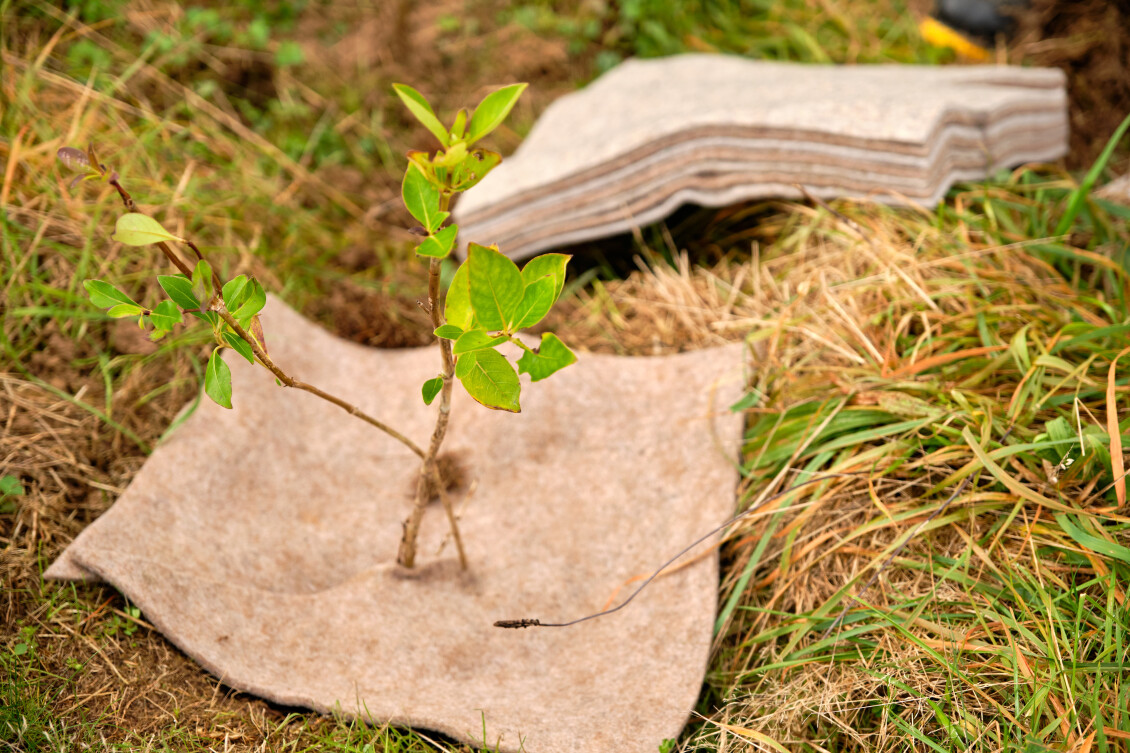
- Protecting our regional parks and biodiversity from pests, including starting on the eradication of browsing pests from the Wainuiomata-Orongorongo water collection area.
- Supporting the risk reduction, planning and adaption to a range of hazards including climate risk to help Wellington communities prepare and recover from future emergencies.
Te mahi tahi ki ngā mana whenua | Partnership with mana whenua
Te Pane Matua Taiao works hard at partnering. We value our relationships with mana whenua of the region and show this through creating opportunities to grow all iwi, hāpori and whānau. Trust and understanding across 30 years enable our innovative partnerships to create better environmental outcomes for community benefit.
Taranaki Whānui ki te Upoko o Te Ika continue to provide strategic insight, collective decision making, co designed approaches and Tiriti based leadership across their rohe through regular engagement.
This approach relies on strong collaboration with local and neighbouring councils, community groups, landowners, Crown agencies, and our delivery partners. Together, we focus on shared priorities, such as biodiversity restoration, climate adaptation, flood resilience, emergency management, public transport, and harbour management, to ensure projects are grounded in place, partnership, and long‑term outcomes.
Mō āu rēti | About your rates
We’ve reviewed our work to balance delivering essential services with the cost to our ratepayers. As a result, the average proposed rates increase across the region from 1 July 2026 to 30 June 2027 is 9.7%.
The table below shows the average rates for Te Awa Kairangi ki Tai Lower Hutt. Your individual rates may differ due to local factors, so they may not match the regional average or your neighbours’ rates.
For a personalised estimate, visit our rates calculator.
| Hutt City Average Rates | Average Rates 2026/27 | Average increase per annum | Average increase per week | Increase % |
|---|---|---|---|---|
| Residential (incl. GST) Hutt City |
$1,230.20 | $38.89 | $0.75 | 3.3% |
| Business (excl. GST)* Hutt City |
$3,771.30 | $231.73 | $4.46 | 6.5% |
| Rural (excl. GST) Hutt City |
$1,073.52 | $22.86 | $0.44 | 2.2% |
*The business values for Hutt City exclude council utilities.
Get in touch
- Phone:
- 0800 496 734
- Email:
- info@gw.govt.nz