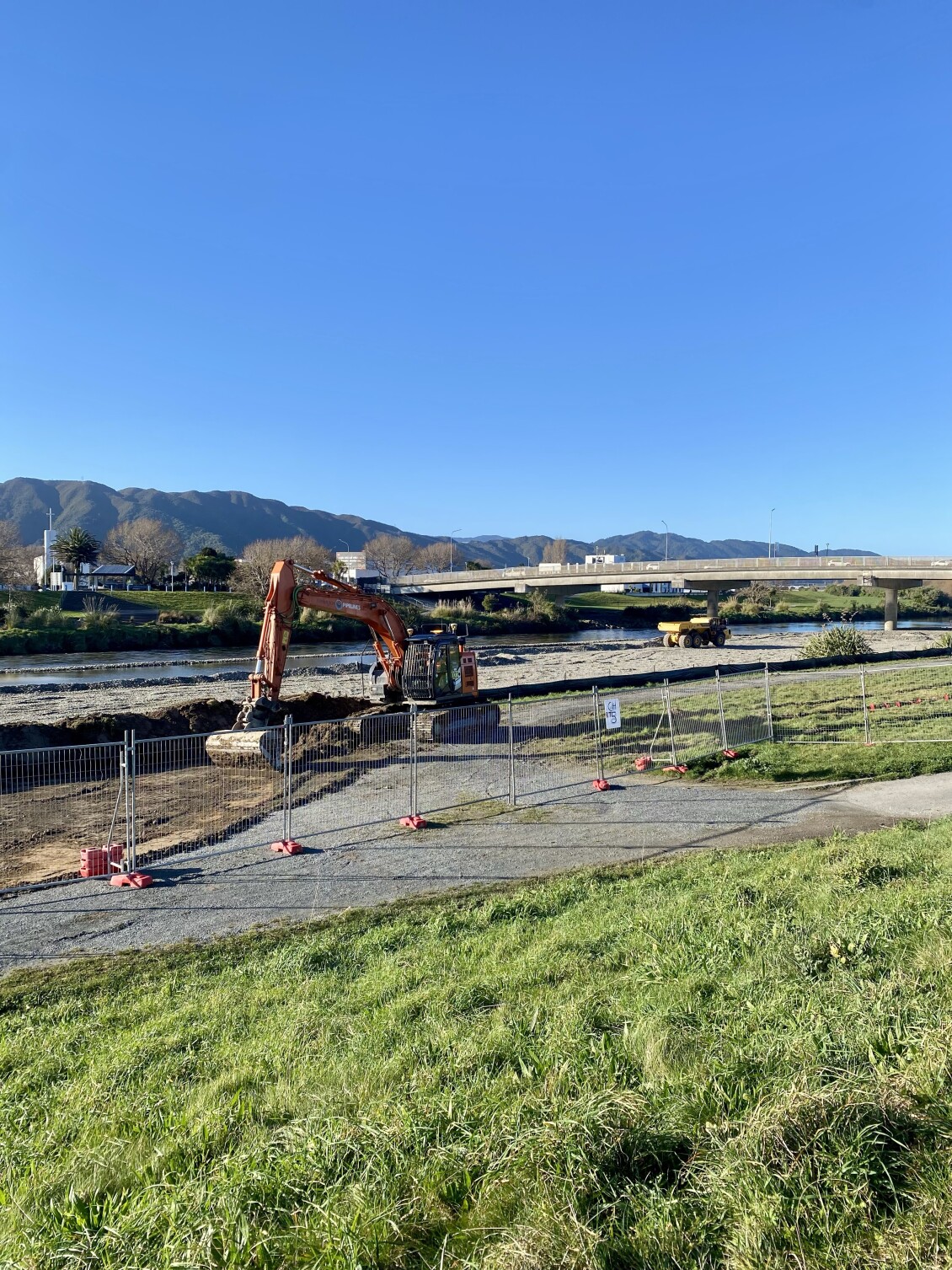
Work is underway near Marsden Street on a temporary rockline that will help support flood resilience works along Te Awa Kairangi/Hutt River while protecting nearby assets as the project progresses. The…

Tree felling along parts of Te Awa Kairangi/Hutt River near Pharazyn Street is part of a wider effort to improve flood resilience by working with nature through bioengineering.
This year, Greater Wellington crews will remove around 16,000 square metres of mature willow trees from selected areas of the river corridor, roughly the size of two rugby fields. In some locations, clearing these trees is also creating space for projects within the wider Te Wai Takamori o Te Awa Kairangi programme, including work associated with Hutt City Council's City Link Bridge project.
Rather than becoming waste, the trees will be transported whole to sites on either side of the river at Belmont and reused to create around 450 metres of bioengineered river edge protection.
This work is part of our broader flood resilience programme and long-term approach to giving the river more room to move. Allowing the river to adjust naturally within its corridor helps manage erosion, reduce flood risk, and support river health.
Bioengineering uses living and natural materials to stabilise riverbanks, reduce erosion, and improve habitat. Developed with input from mana whenua partners, the approach helps restore the river's natural character while strengthening its edges over time.
The work is an important step in preparing the river corridor for future flood protection measures. As weather patterns become increasingly unpredictable, combining traditional engineering with nature-based solutions helps build flood resilience while making practical use of existing river resources.
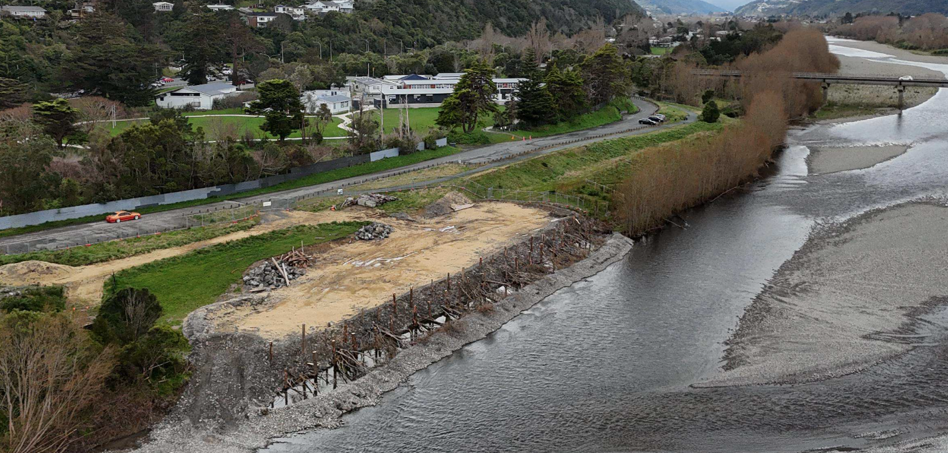
Work is underway near Marsden Street on a temporary rockline that will help support flood resilience works along Te Awa Kairangi/Hutt River while protecting nearby assets as the project progresses. The…
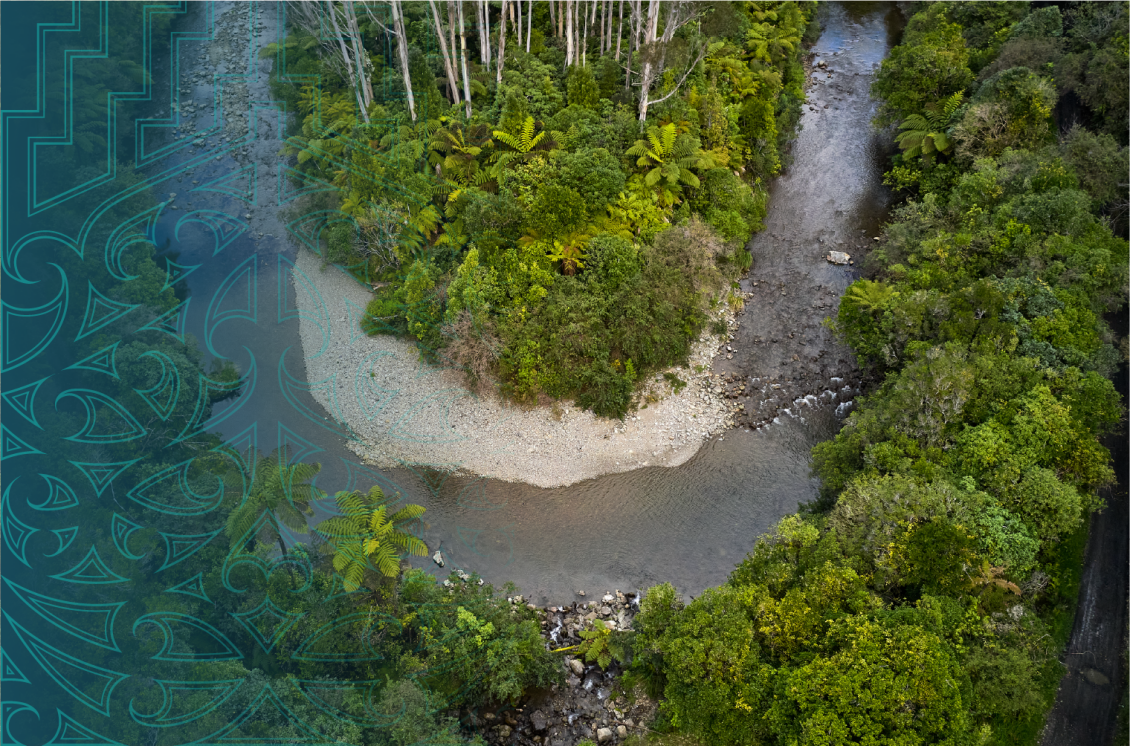
Greater Wellington has updated its cost estimate for the flood protection component of Te Wai Takamori o Te Awa Kairangi (formerly RiverLink) and is continuing discussions with the government on…
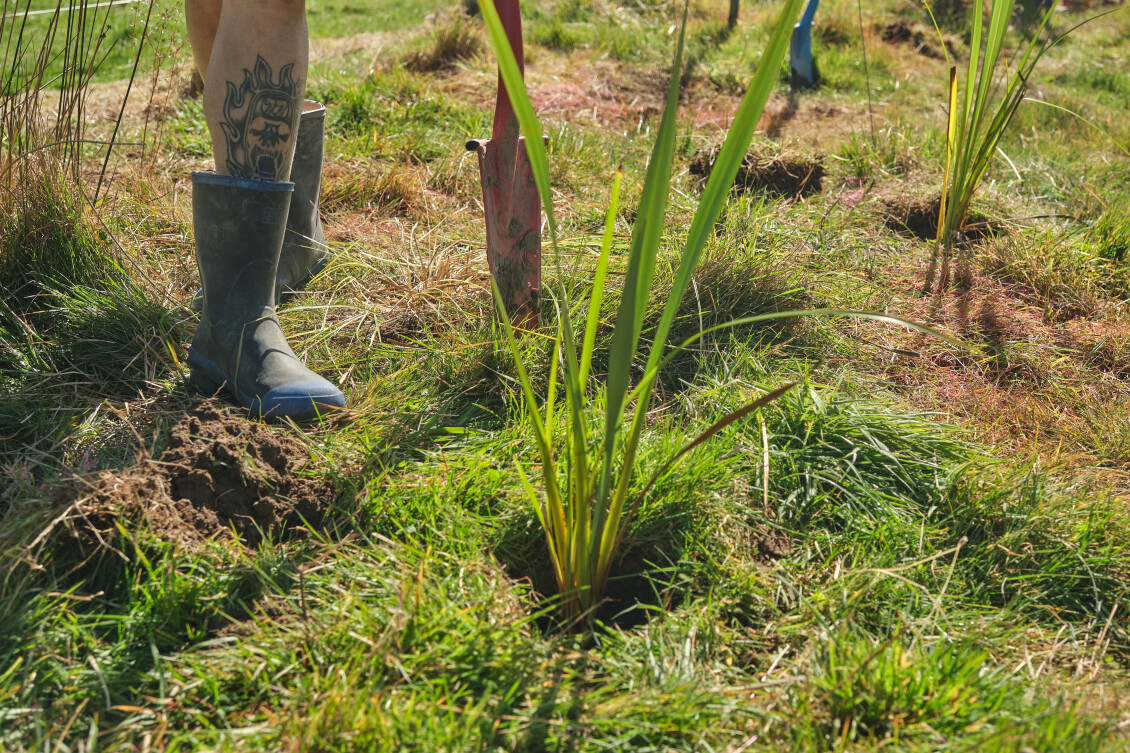
Greater Wellington’s flood resilience work involves rivers, stopbanks and planting plans. In Wairarapa, it also creates opportunities to strengthen connections between people, whenua and water, and to support long term…