Greater Wellington has filed charges against Tiaki Wai and Wellington City Council following its investigation into alleged unlawful wastewater discharges from the Moa Point Wastewater Treatment Plant. The charges relate to…

Following an independent investigation, Greater Wellington has filed charges in the District Court in Wellington relating to multiple non-compliance events at Moa Point Wastewater Treatment Plant (WWTP). The series of events dates to October 2025 - February 2026 when the plant failure occurred.
Charges are being filed against the consent holder Wellington City Council, and its operator Tiaki Wai (formerly Wellington Water). The Court will determine liability for each party.
Greater Wellington operates across several distinct but related roles in relation to the incident at Moa Point WWTP. One of our statutory responsibilities as a council is being the environmental regulator. As part of this, we issue resource consents (of which Wellington City Council is the consent holder) for discharging contaminants to water and air from the Moa Point WWTP.
When breaches of consent conditions are identified, we can use our enforcement tools to encourage, and in some cases direct, the operators and consent holder to get back into compliance.
Read more about our enforcement 'tools' here:
date_range Published 09 Jul 2024
Download now (PDF 9.5 MB) get_appCouncil has 12 months to file charges from date that it became aware of the offence.
Investigations of this nature take time to ensure decisions are fair, evidence based, and legally sound.
The investigation has taken this length of time due to the technical complexity of the issues involved. It also required input from independent experts and relied on cooperation with multiple parties to ensure evidence provided was accurate and complete. As with any potential enforcement matter, statutory requirements must be followed to ensure outcomes are fair, robust, and legally sound.
While we acknowledge the lengthy timeframe, our priority has been to complete a thorough and complete investigation in the public interest. During the investigation, Greater Wellington continued its regulatory role of monitoring the WWTP’s compliance.
The matter is now before the Court. The Court will decide what happens next, including any outcomes.
When will the treatment plant be fixed?
As of 1 July 2026, Tiaki Wai has taken full ownership of the WWTP and are responsible for restoring and fixing the facility. On 20 May 2026 an indicative Road to Recovery timeline was released here: https://www.tiakiwai.co.nz/moa-point-info-hub/moa-point-road-to-recovery
Greater Wellington is currently considering all available options, including formal enforcement action, to ensure all necessary steps are taken to fully recover the WWTP within the timeframes specified in the Road Map and to achieve full compliance with its resource consents as soon as possible.
The Crown Review and Greater Wellington’s investigation are separate processes with different purposes, powers, legal frameworks and outcomes. While the Crown Review examines the causes of the WWTP failure and provides useful information about the challenges facing the plant, Greater Wellington’s enforcement decisions are based on its own investigation and the evidence obtained through that process, independently of the Crown Review’s conclusions.
Greater Wellington’s priority has been investigating the incident. This involves working closely with Tiaki Wai to ensure their response prevents and mitigates further environmental harm and protects public health from the impacts of the discharge.
The findings of the investigation will guide any subsequent actions.
As of 25 February 2026, all public health warnings were lifted for most of the South Coast following the total plant failure.
Tarakena Bay remains closed (under rahui), and people should continue to avoid entering the water because of its proximity to the short outfall pipe.
Please keep in mind that during or after wet weather, the short outfall pipe may release untreated, unscreened wastewater. If the short outfall is used, the LAWA website will continue to provide up to date information about which beaches are safe to swim at along the South Coast. As a general rule, LAWA advises staying out of the water for 48 hours after heavy rain.
Please ensure you are following the guidance from Tiaki Wai.
The latest water quality information on swimming sites can be found at the LAWA website.
For all other environmental concerns and incidents please follow our reporting guidance or call our incident hotline 0800 496 734.
Greater Wellington has filed charges against Tiaki Wai and Wellington City Council following its investigation into alleged unlawful wastewater discharges from the Moa Point Wastewater Treatment Plant. The charges relate to…
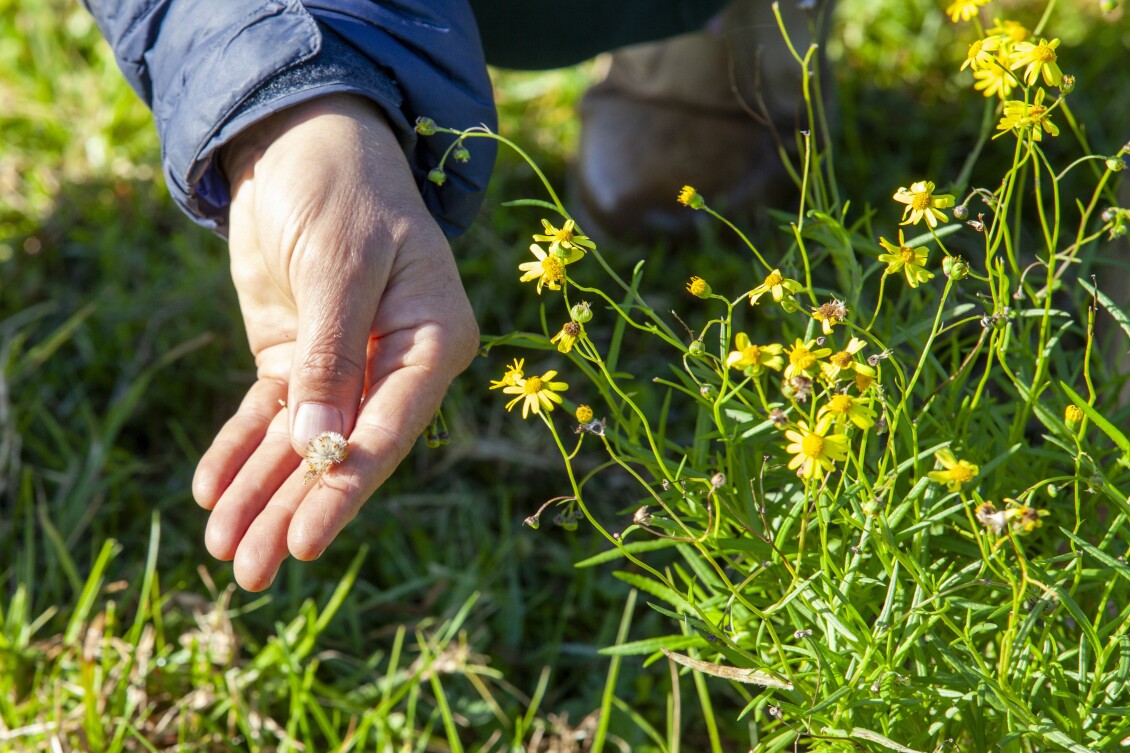
Madagascar ragwort, an invasive and highly toxic pasture weed, has been identified in south Wairarapa near Ngawi, prompting Greater Wellington to urge farmers, landowners and rural communities across Wairarapa and…
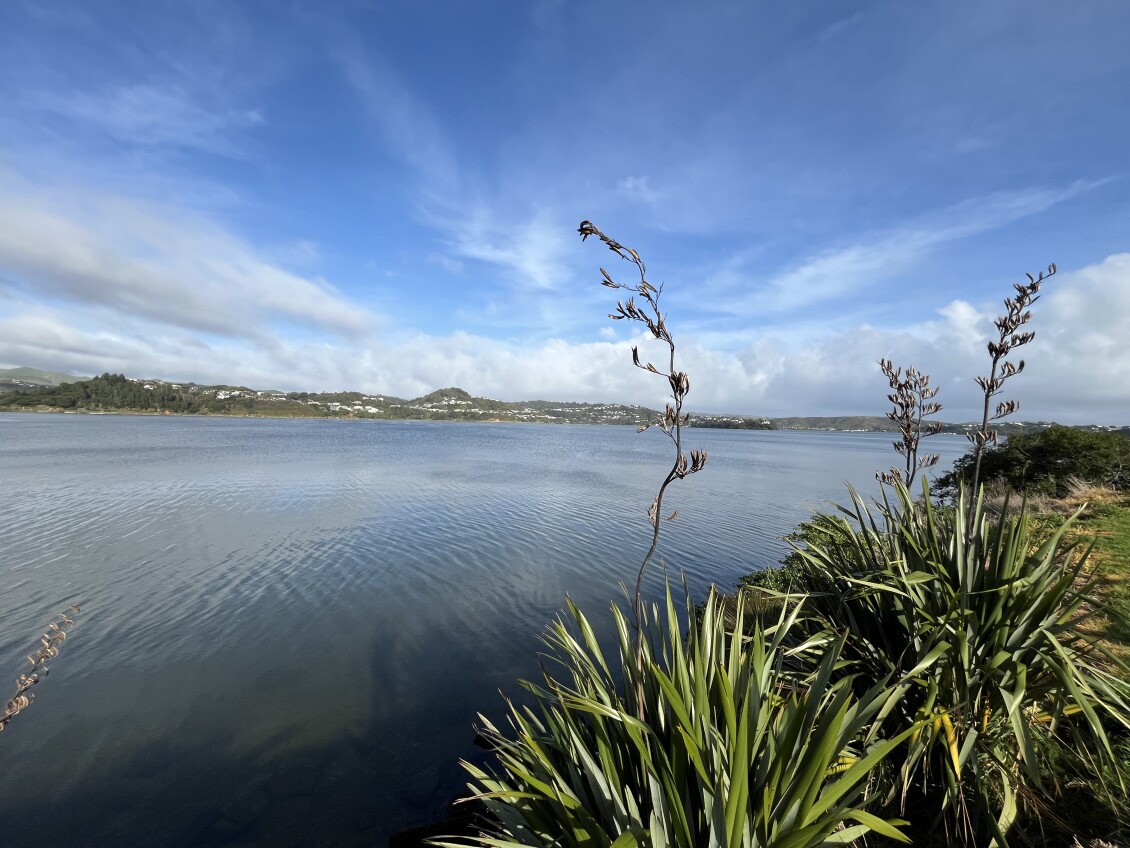
A major milestone has been reached in the restoration of Te Awarua o Porirua (Porirua Harbour), with the completion and release of the Te Awarua o Porirua Action Plan. Developed by…