
Current status
High Pathogenicity Avian Influenza (HPAI H5N1) is a severe strain of bird flu that poses risks to native birds, poultry, and potentially human health.
While there are currently no confirmed cases of HPAI H5N1 in Aotearoa New Zealand, you may remember a low‑pathogenicity strain of avian influenza (H10N7) that was previously detected in a poultry farm in Otago and has been present in the country for some time.
Ministry for Primary Industries (MPI) is the lead agency for New Zealand’s preparedness and response, working alongside Department of Conservation (DOC), and Health NZ.
Greater Wellington is supporting this national work by monitoring land we manage like our regional parks and river trails. Our focus is to identify outbreaks early so we can mitigate the risk to people in these areas.
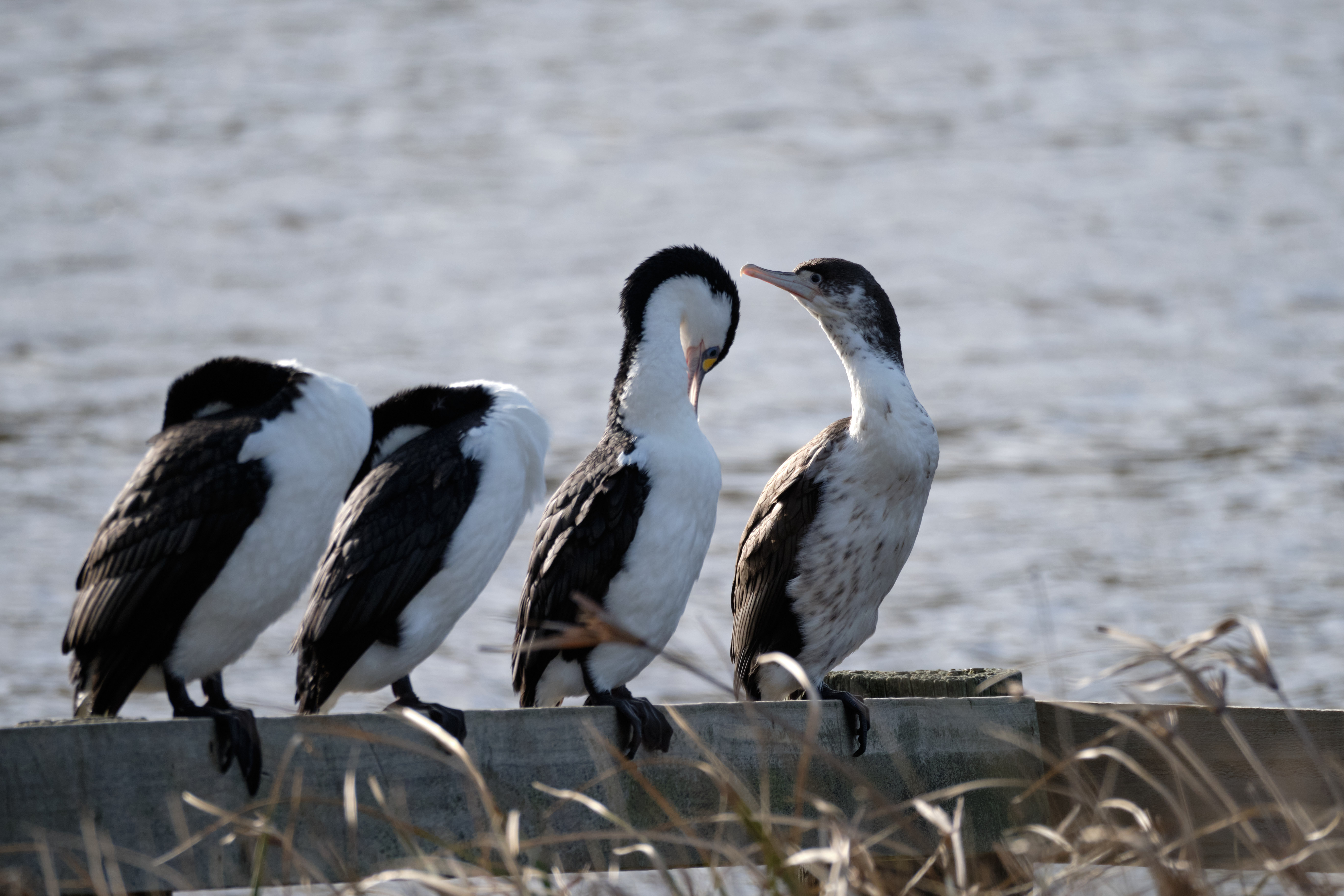
What to look out for
If you see sick or dead birds, especially waterbirds or seabirds, check for the following signs:
- Uncoordinated movement (walking or swimming in circles)
- Tremors or twisted necks
- Inability to stand or fly
- Difficulty breathing, coughing or sneezing
- Swelling around the head, neck and eyes
- Cloudy or discoloured eyes
- Sudden or unexplained deaths
What to do
- Do not touch sick or dead birds. The disease spreads with contact.
- Stay away from areas where dead birds are present. As the disease can remain active in the environment for weeks.
- Report unusual bird deaths (three or more dead birds in one place) to MPI immediately: 0800 80 99 66
You may also contact Greater Wellington if you need assistance from a ranger on 0800 496 734.
Greater Wellington’s role
- Monitoring high-risk locations such as wetlands, estuaries, and the coast within areas managed by Greater Wellington, like regional parks and river trails.
- Keeping the public informed and safe if there is a bird death event in a Greater Wellington managed area.
- Sharing information with local councils and mana whenua to support regional preparedness.
- Training our staff on how to respond safely if bird deaths are found in our parks and open spaces.
More information
For national updates and detailed advice:
Get in touch
- Phone:
- 0800 496 734
- Email:
- info@gw.govt.nz