
Greater Wellington has entered into a Transfer Agreement with Tiaki Wai, marking the final legal step toward establishing the multi-council-owned water services organisation. From 1 July, all water services responsibilities currently…

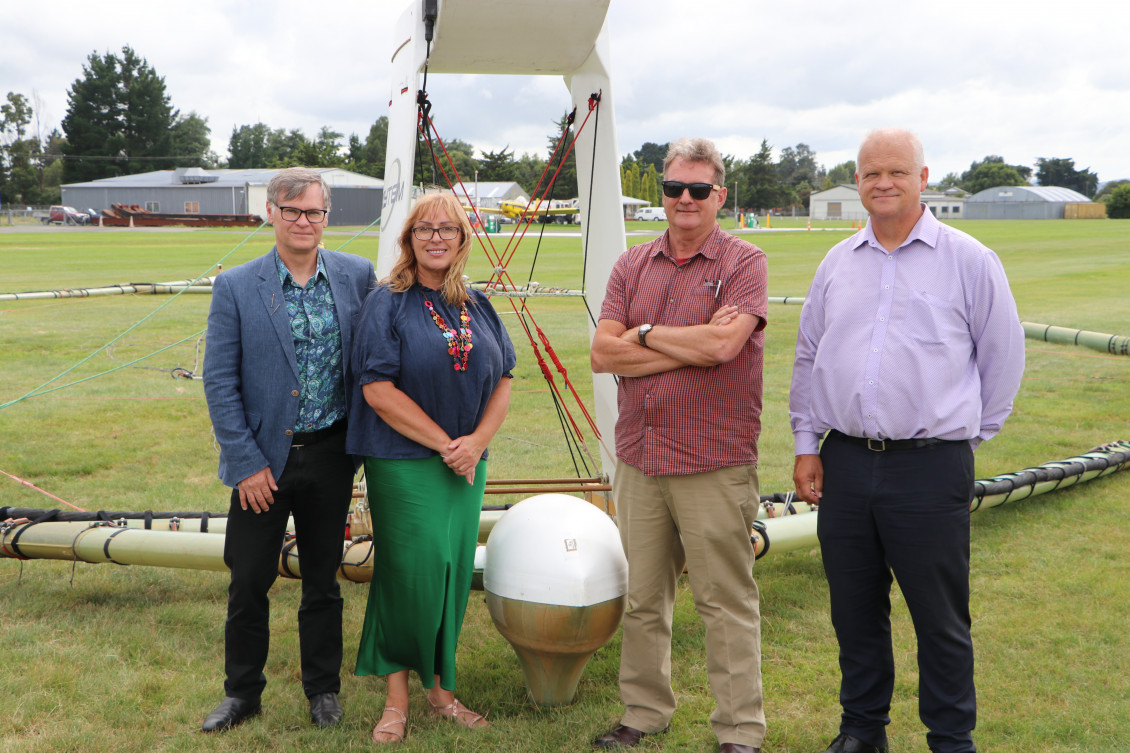
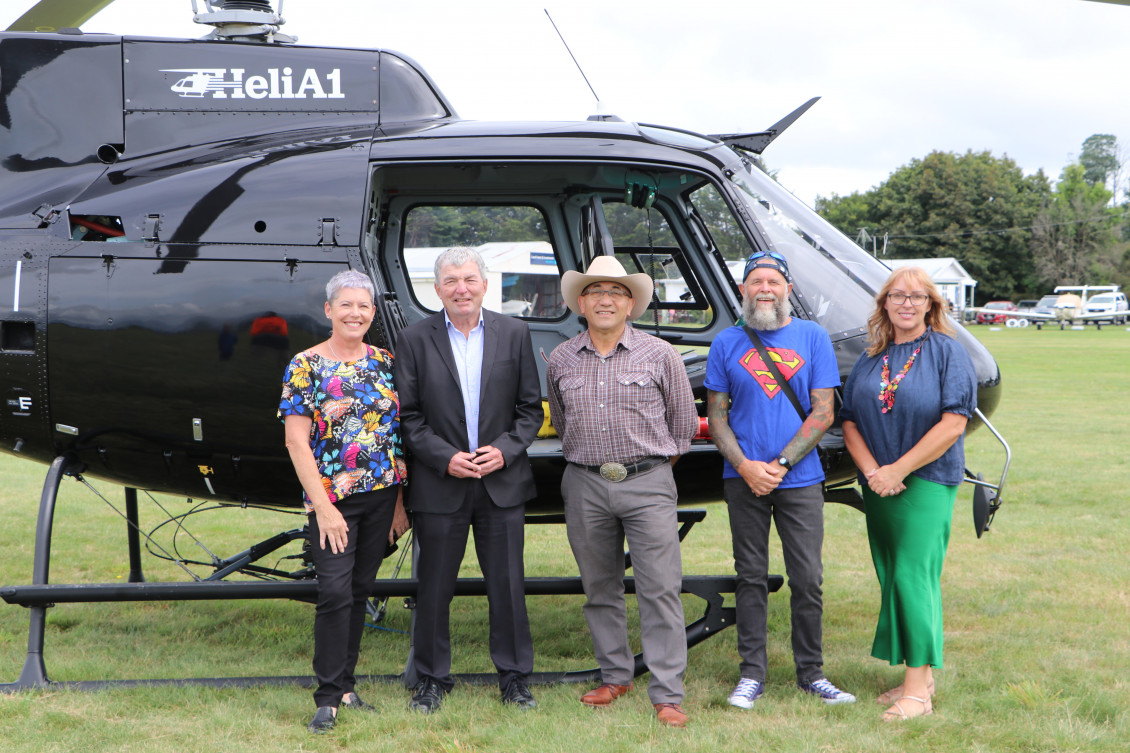
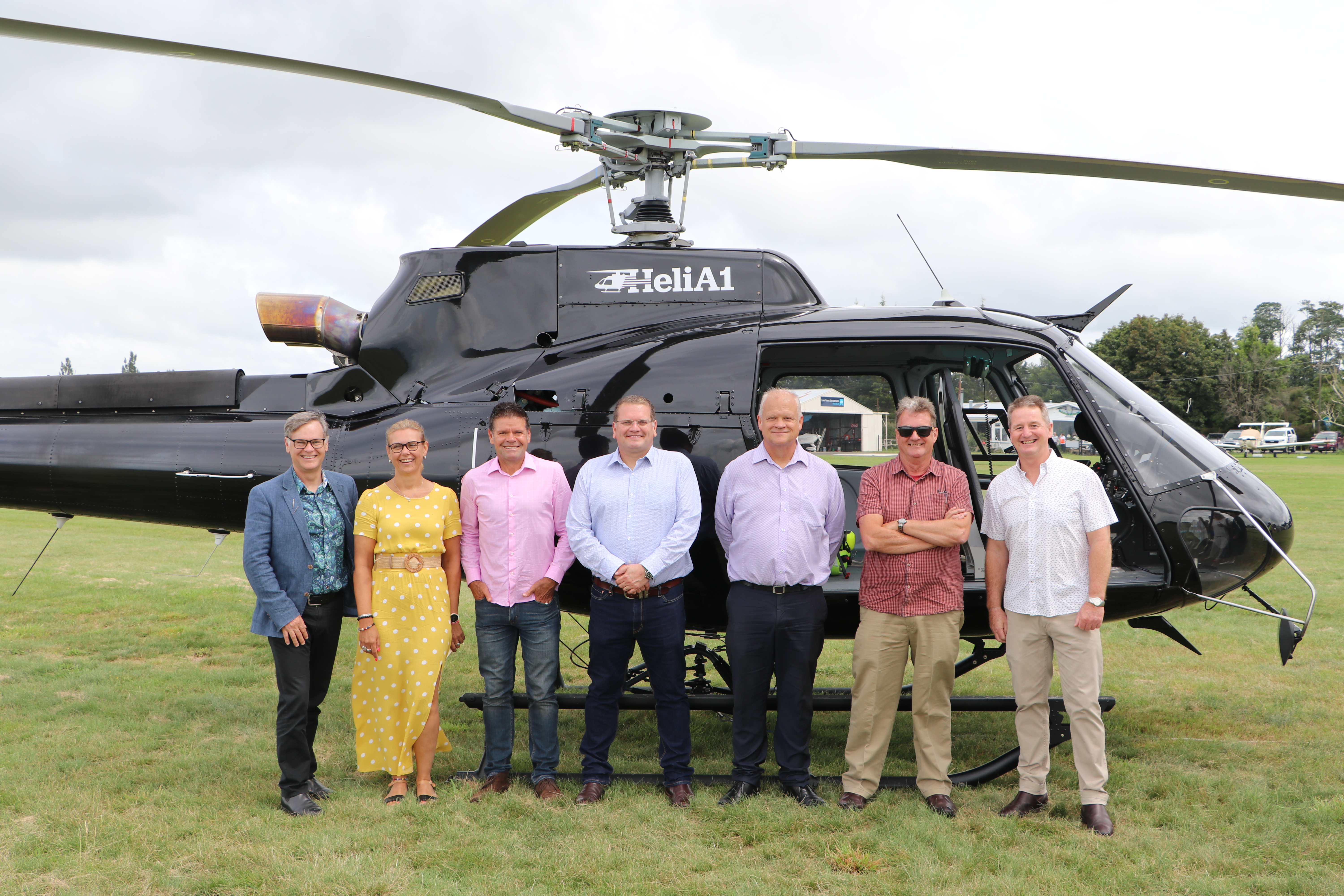 Greater Wellington took to the skies today to learn more about the Ruamāhanga Valley aquifers.
Attending today’s launch event, Greater Wellington Environment Committee Chair Penny Gaylor said “we’re scanning the area from the air to develop a richer understanding of the area’s complex geology.”
Previously, Greater Wellington has collected information about aquifers by drilling boreholes, which provides detailed information about a specific location to relatively shallow depths.
“It’s far more efficient to scan the area from the air as we can quickly cover a larger distance, to a greater depth and a far greater level of detail.”
Over a period of two years, the data collected during the survey will be stitched together to craft a 3D map of the valley’s aquifers, thickness of potential water bearing layers, and their relationship with surface water.
Groundwater is the water found in spaces between in soil, sand, and rock underground. It is stored in and moves through these aquifers.
Groundwater is vital for the Wairarapa region as eighty to ninety five percent of it is used for food and fibre production.
South Wairarapa District Council Chief Executive Harry Wilson said “with climate change research predicting rising average temperatures in Wairarapa, potentially leading to water shortages for Wairarapa, it makes sense to conduct such a detailed analysis of local aquifers.
“Better data means together we can make better decisions about how water is used – these are vital decisions that impact all of us.”
During summer when less rain falls, groundwater also directly contributes to freshwater ecosystems like rivers, lakes and wetlands.
Masterton District Council Chief Executive David Hopman said building a better understanding of groundwater is a key priority for Council.
“Insights about our aquifers and groundwater supply can be used to help support Masterton’s future water requirements, including maintaining the health of our lakes and wetlands which provide many biodiversity benefits and recreational opportunities, and have important cultural significance to our community.”
Agreeing with the sentiment, Carterton District Council Chief Executive Geoff Hamilton said it was brilliant to see the project get off the ground and looked forward to viewing the final maps.
“At 300m below the surface, we’re going to be able to see further beneath the ground than we ever have before.
It’s exciting to know that this information will help us better understand the water supply available to support the local community and our natural spaces.”
If you’d like to find out more, please visit the 3D aquifer mapping page.
Greater Wellington has entered into a Transfer Agreement with Tiaki Wai, marking the final legal step toward establishing the multi-council-owned water services organisation. From 1 July, all water services responsibilities currently…
When heavy rain and rising river levels make the news, people want to know what it means for them and how serious the situation could get. Recent weather events have…
Data collected by an aerial electromagnetic survey of the Ruamāhanga Valley floor is now available to the public via an online mapping tool, which can virtually explore potential aquifers to…