March is shaping up to be a busy month on footpaths and cycleways, as tamariki across the Wellington region take part in the 17th annual Māehe Manawa Ora Movin’March –…

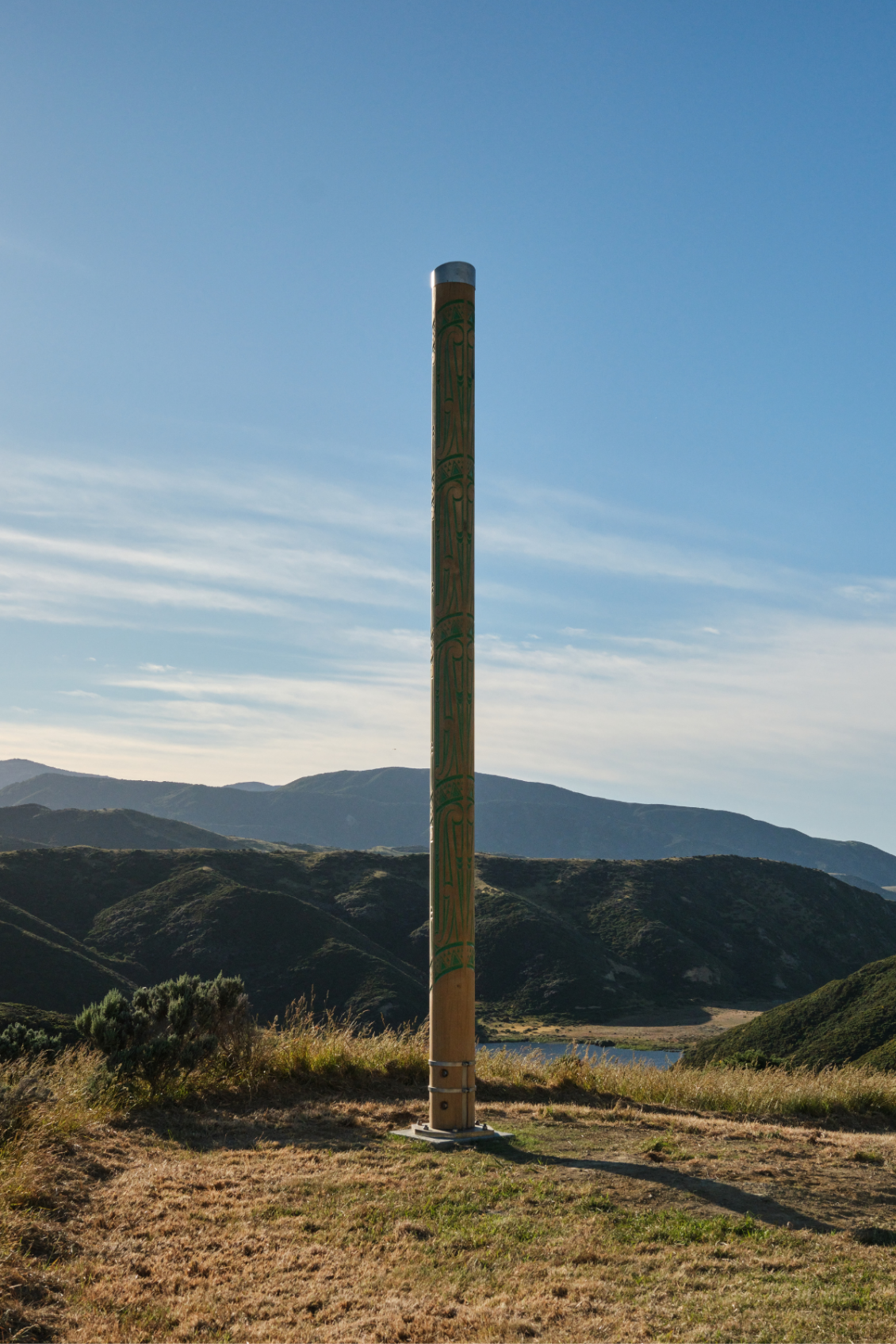
Four intricately carved pou can now be seen at different locations around Parangarahu Lakes, an area of the East Harbour Regional Park overseen by Rōpū Tiaki, a co-governance group of representatives from Greater Wellington and Taranaki Whānui ki te Upoko o Te Ika.
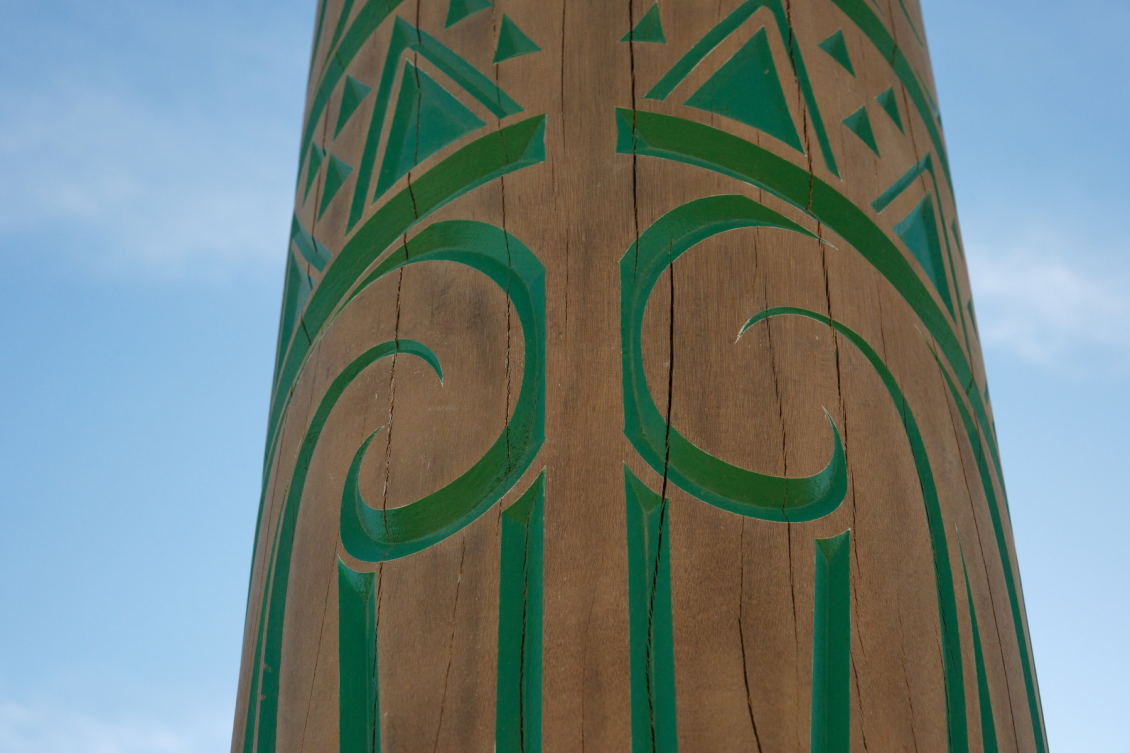
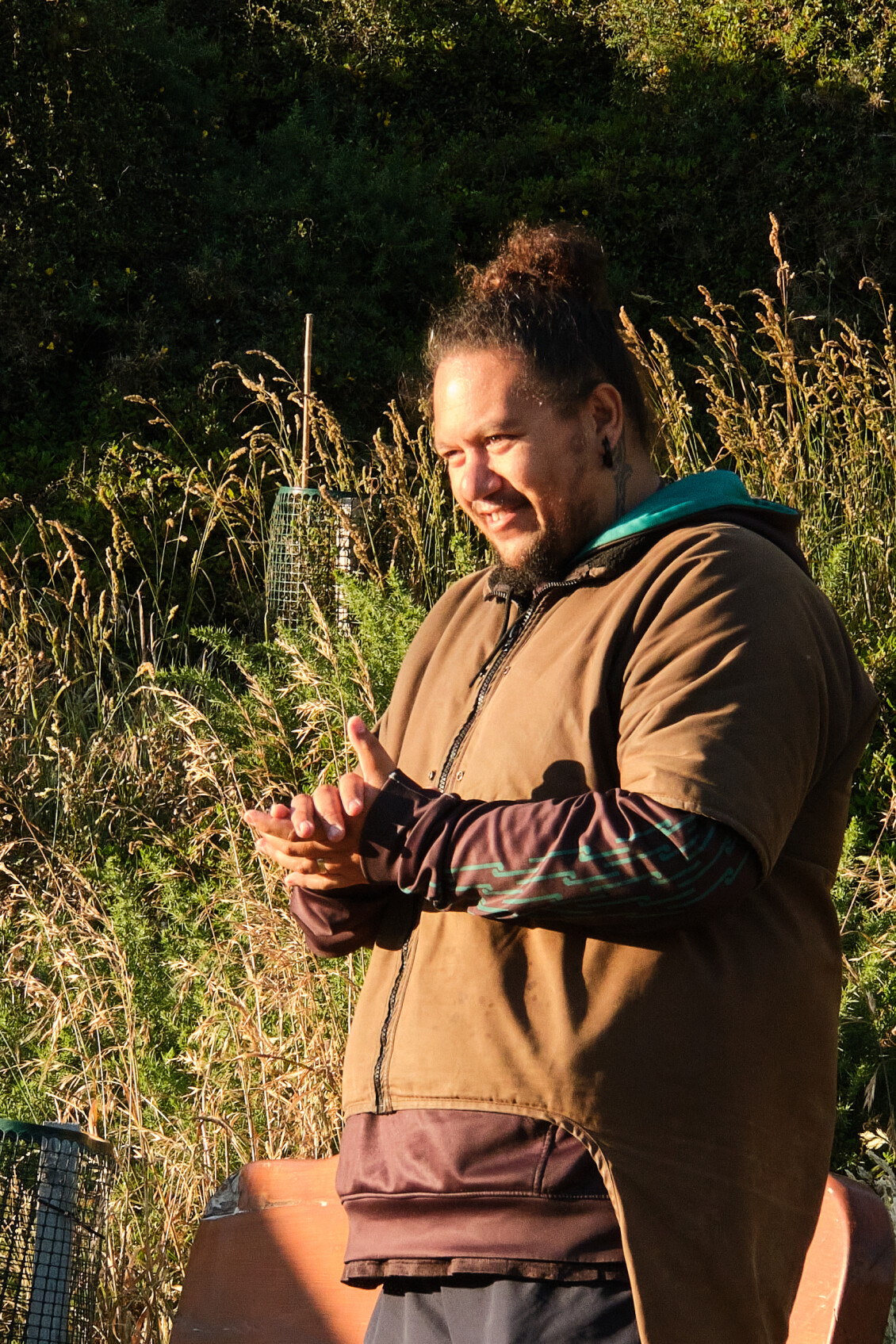
Designed by Te Āti Awa artist Pokau Kato Te Ahuru (Te Āti Awa, Ngāti Tūwharetoa, Ngāruahinerangi), the four pou tell stories of whakapapa, connection, and protecting the environment for future generations.
Te Ahuru says the pou display two patterns, one where repetition is used to symbolise stories and histories passed down through time. The other, land and water intertwine to form a korowai (cloak) that was gifted to the people of Te Awa Kairangi.
“Toi Māori is a way of illustrating whakapapa and oral histories that are passed down to us. Here I honour the tipua Ngake who had the strength to break through the walls of the land-locked lake to create Te Whanganui-a-Tara, and wove a korowai to bring the people on either side of Te Awa Kairangi/Hutt River together,” says Te Ahuru.
“Te Āti Awa families continue to live and frequent the area, and these designs recognise the connection of tangata whenua to the land through whakapapa and ahi kā (continuous occupation).”
“These pou form connections between people, land, and water, connections to each other, and connections to our past, present, and future,” adds Te Ahuru.
The pou are one of six storytelling projects underway in Greater Wellington’s regional parks to enrich people’s experience as they explore the area, as set out in the council’s Toitū Te Whenua Parks Network Plan.
Rōpū Tiaki co-chair Lee Hunter says the pou are the latest project to enhance the mana and the mōuri, or lifeforce, of the area.
“Since Rōpū Tiaki was first set up in 2012, we have worked collaboratively with Greater Wellington and volunteer organisation MIRO to restore Ngā Roto o Parangarahu with extensive tree planting and trapping of pest animals,” says Hunter.
“Parangarahu contains Lake Kōhangapiripiri and Lake Kōhangatera, bodies of water known for their pristine water quality and some of the last natural wetlands remaining in Aotearoa. The lakes are a taonga for us all.”
The waters at Parangarahu Lakes contain significant indigenous ecosystems with locally rare native plants, fish, and wetland birds including the pūweto (spotless crake) and the matuku hūrepo (Australasian bittern). It is also the only place on the Wainuiomata Coast where tūturiwhatu (banded dotterel) nest on the open sand.
“Every year, at the arrival of the tūturiwhatu we place a rāhui in the nesting areas to give our taonga species the best opportunity to raise their chicks. We have an established trapping network and catch rats, hedgehogs, feral cats and mustelids.
“Come out and walk around the lakes to see each of the four pou – we want everyone, Māori and non-Māori, to feel the mōuri of this awe-inspiring place and understand why we work so hard to protect it, it is a special place that holds the future of our taonga species,” adds Hunter.
When asked about forming connection with the future, Te Ahuru refers to the following whakatauki: Whatu ngarongaro te tangata, toitū te whenua, which generally translates to: As man disappears from sight, the land remains, therefore it is for us to ensure that these things remain and are protected for future generations.
March is shaping up to be a busy month on footpaths and cycleways, as tamariki across the Wellington region take part in the 17th annual Māehe Manawa Ora Movin’March –…
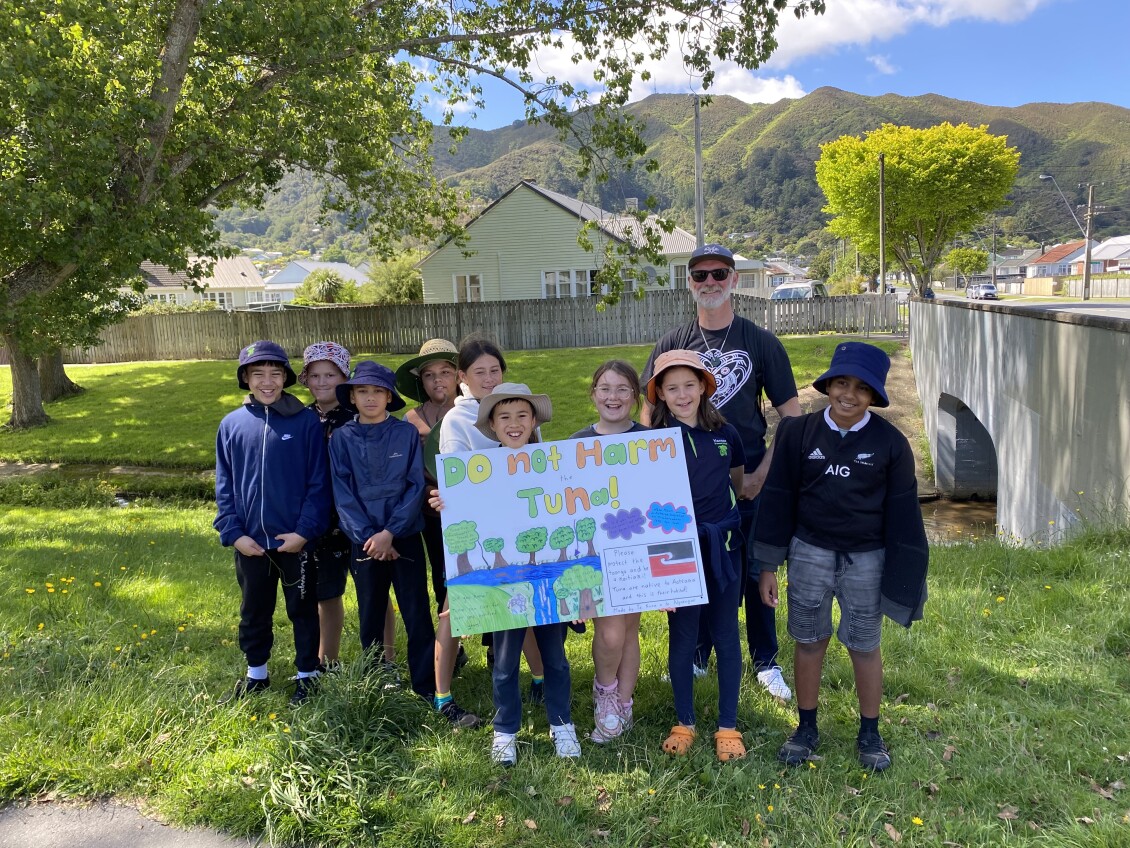
Tamariki in Lower Hutt have taken action to safeguard tuna (eels) in the Waiwhetu Stream and spread awareness about this taonga species. Several tuna from the stream were found dead and…
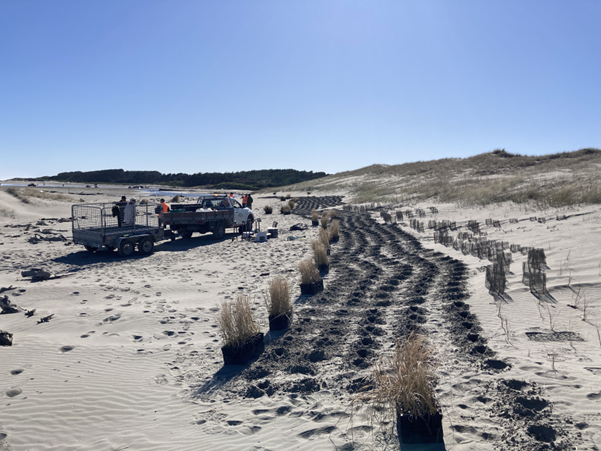
Community volunteers planted 1,200 foredune plants at Waitohu Stream in Ōtaki to help grow and protect the dunes. The event in September 2025 was led by the Waitohu Stream and…