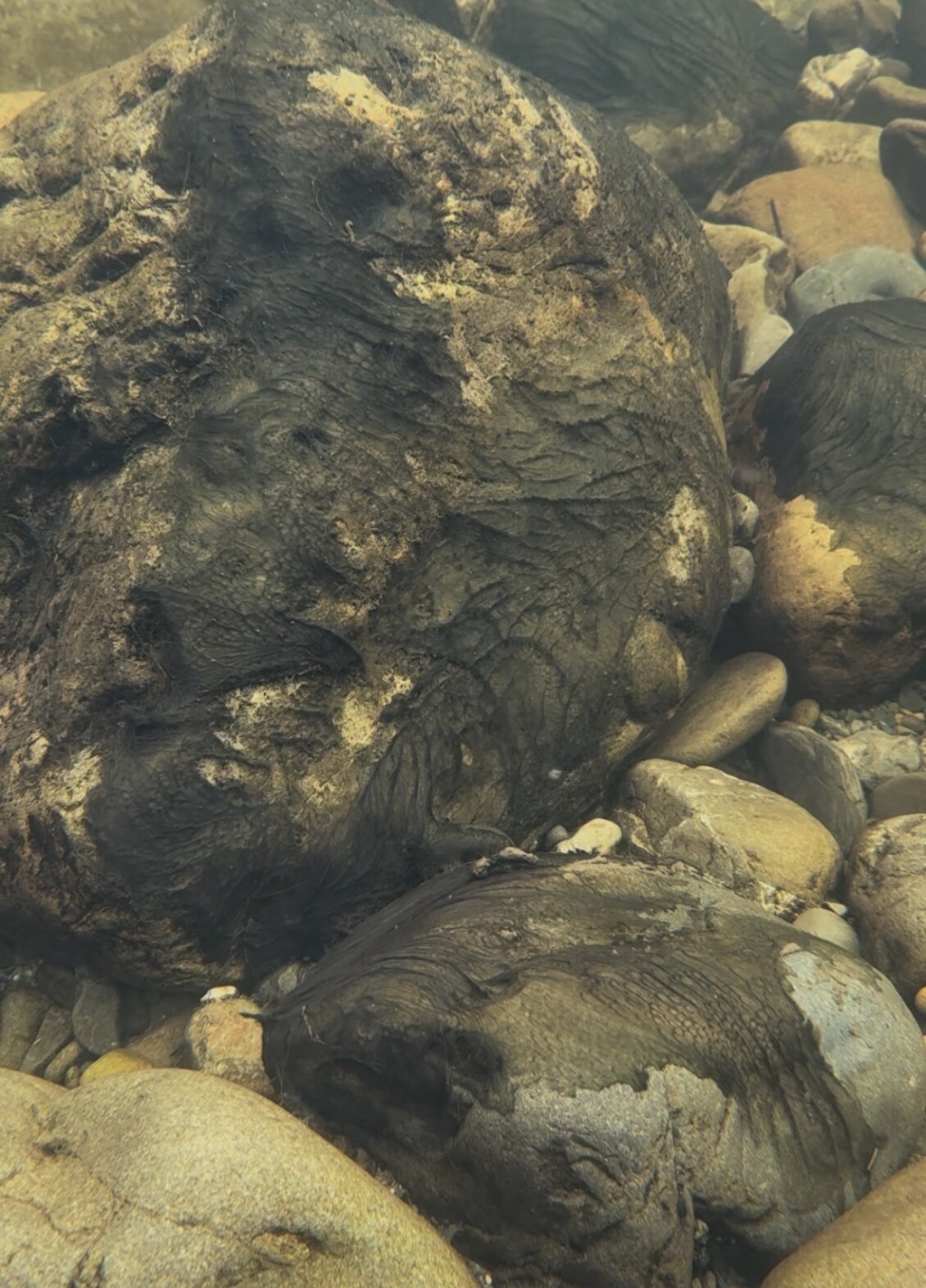
Red alert level warnings are in place for the Waikanae River and Te Awa Kairangi (Hutt River) due to toxic algae levels. Greater Wellington advises people not to swim or let…

Greater Wellington is urging the Government to strengthen the Natural Environment and Planning Bills, warning that – without vital amendments – the proposals risk weakening environmental safeguards, undermining Treaty obligations, and imposing costs on communities.
Deputy Chair Adrienne Staples says there is broad support for resource management reform across the regional council, whose submission “reflects decades of experience working with iwi and communities to protect the environment”.
“We support meaningful reform but only if it creates a system backed by both sides of Parliament that safeguards the environment and communities, and upholds the Treaty,” Cr Staples says.
“We endorse the use of regional spatial planning and commend changes that emphasise compliance and enforcement – as long as they’re workable for councils, iwi and the community.
“But we are deeply concerned for the future of freshwater and native ecosystems without adequate involvement of Treaty partners in resource management.”
The submission sets out solutions to strengthen safeguards that arrest environmental decline and avoid costly litigation to uphold Treaty settlements, including:
A direct requirement to give effect to Te Tiriti and recognise Māori customary rights and relationships with ancestral lands and waters must be added to the Bills and applied to all decision-making.
“Regional councils with hapū and iwi have spent decades building enduring partnerships, including through Treaty settlement obligations, which must be strengthened – not undermined – by reform,” says Shamia Makarini, Deputy Chair of Greater Wellington’s Te Tiriti o Waitangi Committee.
“To support better outcomes for our people and te taiao, and avoid undermining existing and upcoming settlements, Te Tiriti should shape the new system from the top, not be left to the bottom where most decisions have already been made without Māori involvement” Cr Makarini says.
“We are also asking for the new system to only commence in regions where the Crown has renegotiated settlement redress with iwi to align with the new legislation – that must uphold Te Tiriti.”
The new system would benefit from having clear priorities for environmental safeguards and restoration goals, as well as climate change mitigation and adaptation requirements.
"Climate change is a reality and must be built expressly into system goals for us to minimise impact and cost for communities and the environment,” says Quentin Duthie, Chair of Greater Wellington’s Environment and Climate Committee.
“Regulatory relief, as proposed in the Bills, will strongly deter councils from fulfilling core obligations to identify and protect high-value environments such as wetlands, native forests and outstanding landscapes," Cr Duthie says.
"This will have a chilling effect on councils and hamper the effective implementation of the new laws and national direction.
“Our nature and people need planning and environmental laws that put environmental protection at the centre, not treat it as an optional extra.”
Additional funding streams should accompany the new system, which will impose extra responsibilities on councils, whose budgets may be restrained by a rates cap.
“If the reform is to succeed, central government must invest in local government capacity, capability and system transition,” says Cr Staples.
“Currently, councils simply can’t absorb the cost of implementing a completely new resource management system without dedicated government support.
“If a rates cap is introduced, the level of taxpayer funded support for system implementation will need to be even higher.
“We want a system that protects the environment for future generations, honours Te Tiriti, and gives communities confidence in long-term planning. Only with the right changes supported by both sides of Parliament – will the Bills bring about meaningful reform.”
Greater Wellington has asked to speak to its submission before the Environment Select Committee.
Red alert level warnings are in place for the Waikanae River and Te Awa Kairangi (Hutt River) due to toxic algae levels. Greater Wellington advises people not to swim or let…
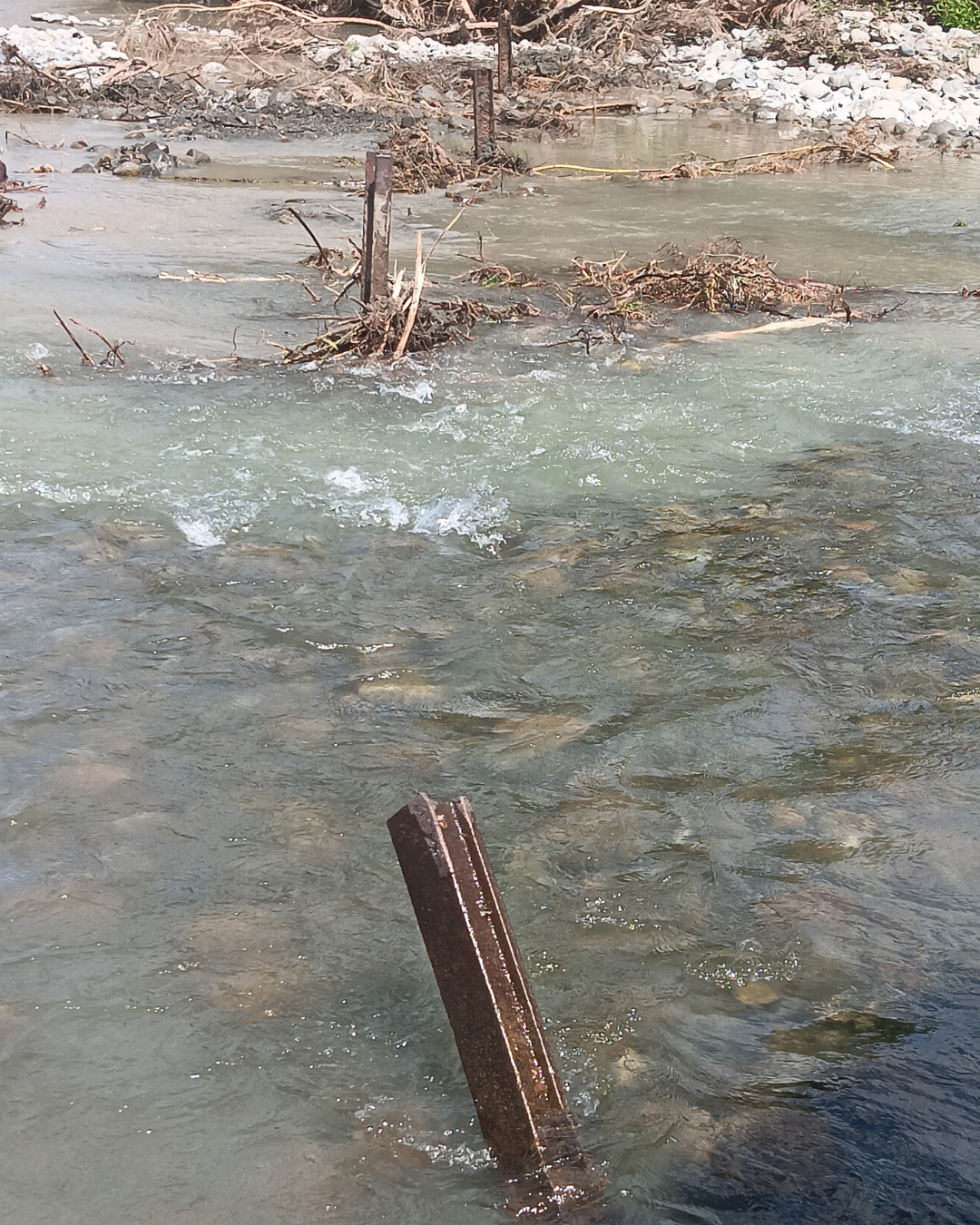
Greater Wellington is urging jet boaters and other river users to report sightings of exposed rail irons in Wairarapa rivers – hidden hazards that can cause serious injury or death. A…
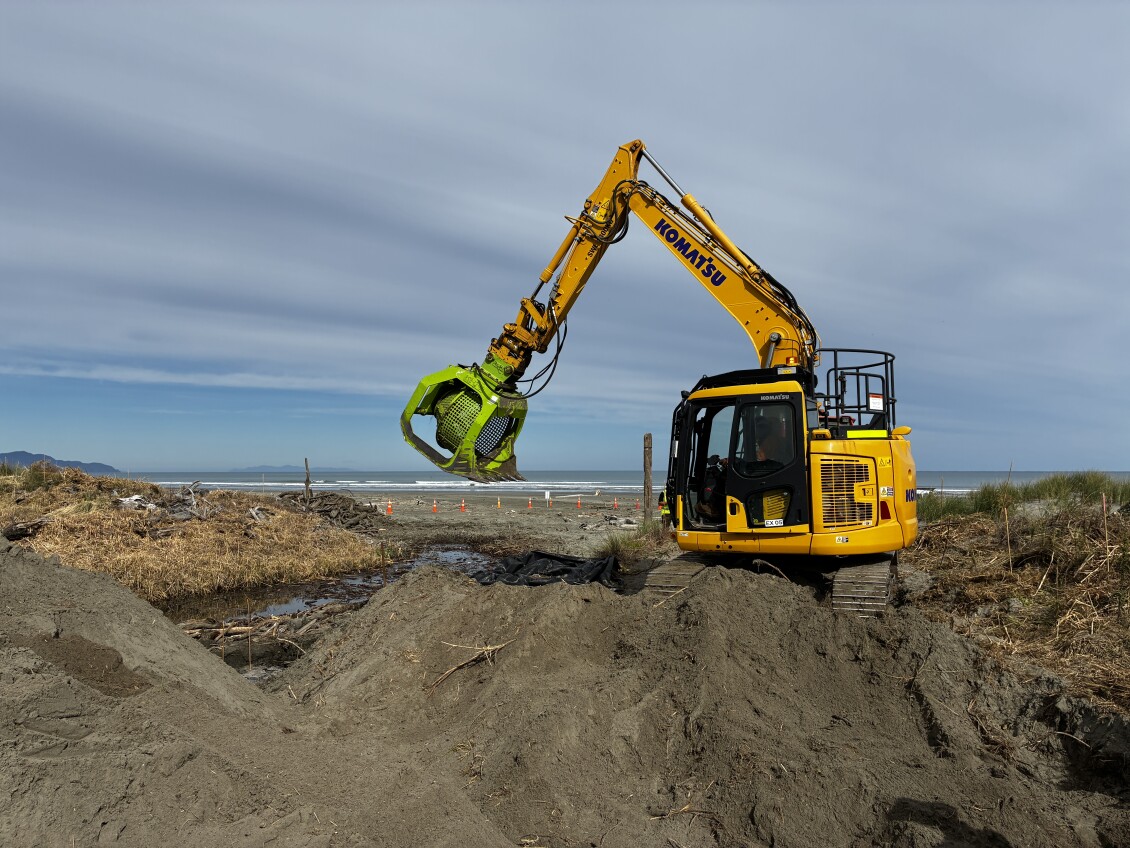
Diggers have been hard at work on Waikawa Beach removing an infestation of Phragmites karka at the mouth of Lake Waiorongomai, an area of environmental importance and cultural significance. In…